Views: 0 Author: Site Editor Publish Time: 2026-07-30 Origin: Site


Modern workplaces have changed dramatically over the past few years. Hybrid working, flexible office layouts, collaborative spaces, and technology-rich workstations have all increased the demand for smarter power solutions. Modular Power Strip systems have become one of the preferred choices for office furniture manufacturers, contractors, architects, facility managers, and commercial buyers because they provide greater flexibility, cleaner cable management, and easier scalability than traditional power strips. As businesses continue investing in adaptable workspaces, modular power solutions are becoming an essential part of modern office design.
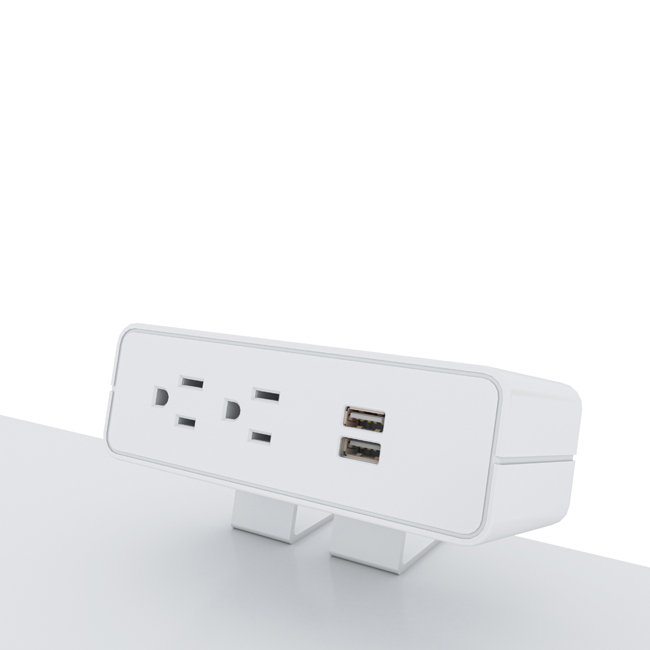
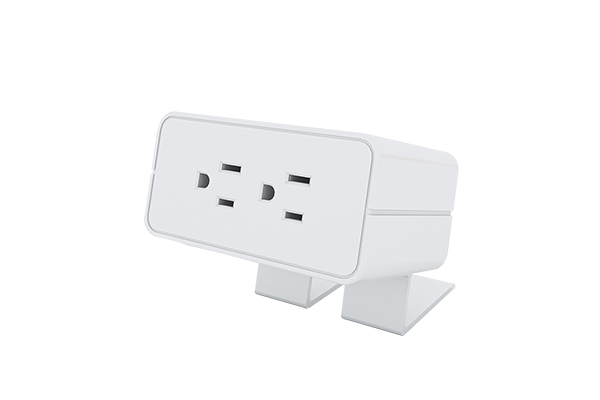
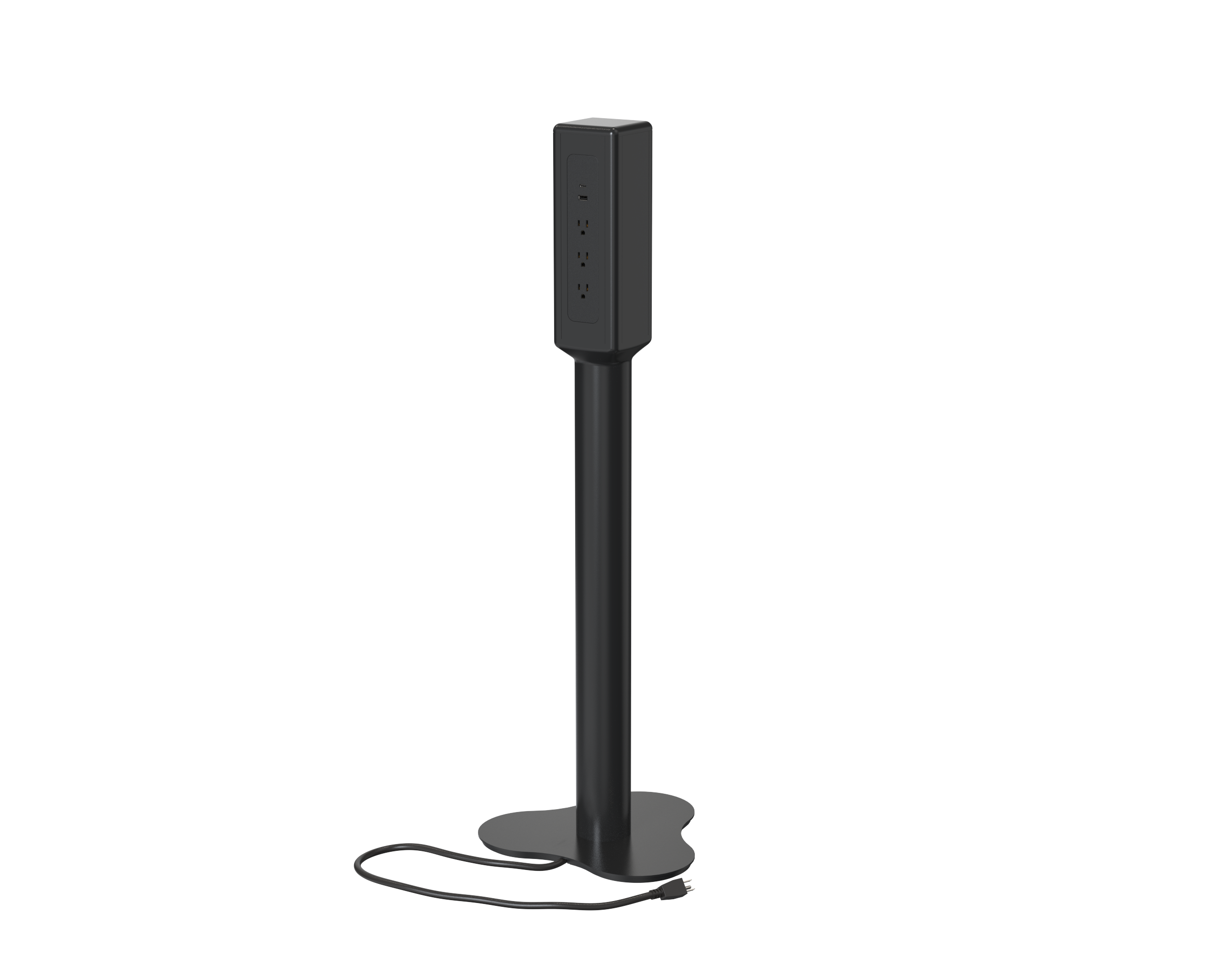
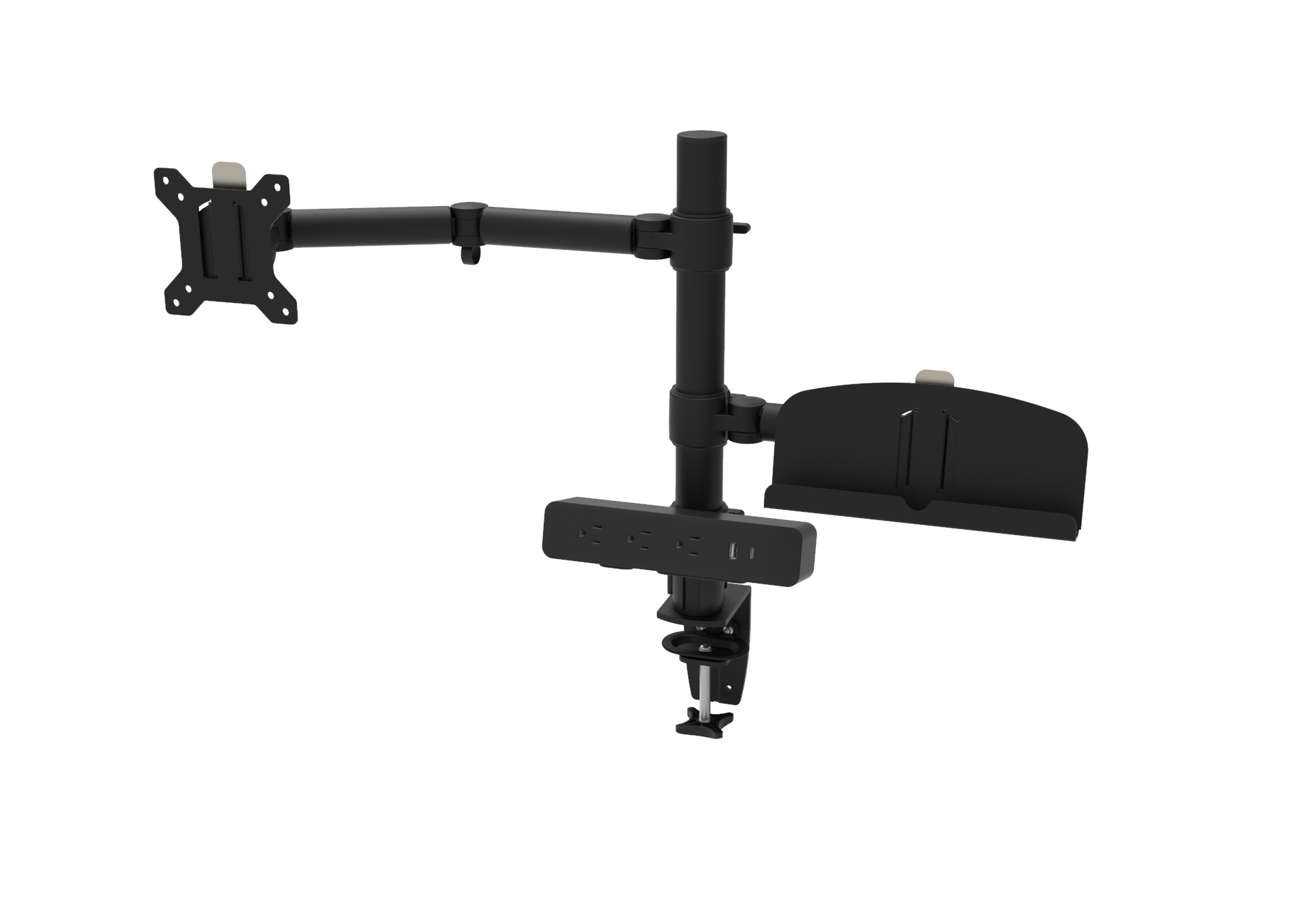
A Modular Power Strip is a configurable power distribution system designed specifically for commercial furniture and modern workspaces.
Unlike conventional extension power strips, modular versions can be customized with different combinations of:
|
|
|
|
|
|
| |
Many systems also support desk mounting, under-desk installation, benching systems, meeting tables, collaborative furniture, and height-adjustable desks.
The modular design allows businesses to configure only the functions they actually need, reducing unnecessary components while making future upgrades much easier.
Today's offices rarely remain unchanged for years.
Departments expand.
Teams relocate.
Furniture is reconfigured.
Collaborative spaces evolve.
Traditional fixed power solutions often require expensive rewiring whenever layouts change.
Modular power strips allow companies to move, replace, or expand power modules without redesigning the entire workspace, making them ideal for dynamic office environments.
A typical office employee may simultaneously use:
|
|
|
|
|
|
|
Providing sufficient charging capacity has become essential.
Modern modular power strips often integrate AC outlets with high-power USB-C charging, enabling employees to power multiple devices from one centralized location. USB-C is increasingly becoming the expected charging standard across workplace furniture and commercial environments.
Cable clutter creates several problems:
|
|
|
|
|
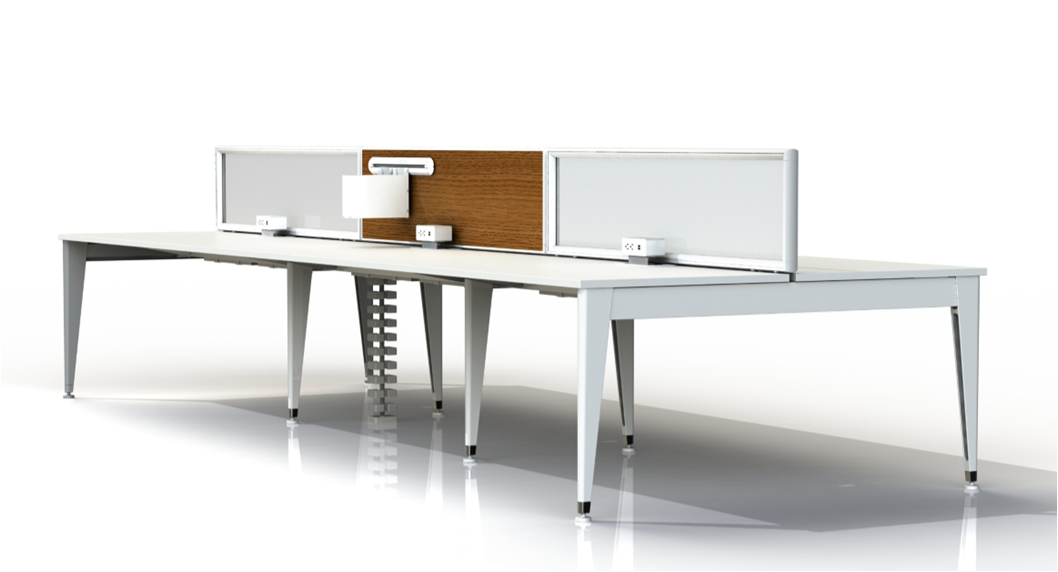
Modular power systems are typically installed directly into desks, under worktops, power beams, or workstation frames.
This significantly shortens cable runs while keeping power easily accessible to users.
The result is a cleaner and more professional workspace.
Height-adjustable desks continue to gain popularity across North America, Europe, Australia, and the UK.
Traditional extension cords often become tangled or stretched when desks move.
Modular power strips designed specifically for sit-stand desks move together with the furniture, reducing cable strain while improving workplace safety.
Businesses rarely purchase all office furniture at once.
As companies grow, additional workstations are frequently added.
Many modular power systems allow new modules or accessories to be integrated into existing installations instead of replacing the complete power solution.
This lowers long-term ownership costs.
Whether you're purchasing for a single office or an international project, modular power strips provide several commercial advantages.
|
|
|
|
|
|
|
|
|
|
|
|
|
|
|
For global projects, selecting the correct electrical standard is essential.
Many modular power strip systems are available with region-specific socket configurations, including:
US NEMA Standard
UK BS 1363 Standard
European Schuko Standard
Australian/New Zealand Standard
This allows multinational companies to maintain a consistent workspace design while complying with local electrical requirements.
When comparing modular power strips, B2B buyers should evaluate:
|
|
|
|
|
Depending on the destination market.
Look for:
|
|
|
|
Choose products compatible with:
|
|
|
|
|
|
Future-ready systems should support additional modules and accessories without replacing the entire unit.
Modular power strips are widely used in:
|
|
|
|
|
|
|
|
|
|
Their flexibility makes them suitable for almost any commercial workspace.
The workplace is becoming increasingly connected.
Employees expect fast laptop charging, flexible seating, and convenient access to power anywhere they work.
Industry trends indicate growing demand for integrated furniture power, USB-C charging, modular workplace infrastructure, and flexible power planning that can evolve alongside office layouts. Organizations are treating power as part of workspace design rather than an afterthought.
Businesses investing in modular power today are better prepared for future workplace changes.
The growing popularity of the Modular Power Strip is driven by changing workplace expectations rather than short-term trends. Businesses need power solutions that are flexible, scalable, and compatible with modern office furniture.
For B2B buyers—including office furniture manufacturers, workspace designers, distributors, contractors, and facility managers—a modular power strip offers significant advantages in installation flexibility, cable management, device charging, and long-term adaptability.
As offices continue to embrace hybrid work, collaborative environments, and technology-driven workstations, modular power systems are expected to play an even greater role in creating efficient, organized, and future-ready workplaces.