Views: 0 Author: Site Editor Publish Time: 2026-07-17 Origin: Site


Build flexible, future-ready workplaces with X.LINKER™ modular workstation power systems. Plug-and-play daisy-chain architecture, international socket standards, and scalable power distribution for bench workstations, height-adjustable desks, conference tables, and collaborative environments.
Fixed cubicles and permanent desk layouts no longer define today's workplace. Hybrid working, agile office planning, and collaborative spaces require infrastructure that can adapt just as quickly as the furniture itself. That is why workstation power has become an essential part of modern office design.
Unlike conventional power strips or individually wired desk outlets, a modern workstation power system distributes electricity through a modular, plug-and-play network that can easily expand, relocate, or reconfigure as office layouts evolve. Whether furnishing a bench workstation, a height-adjustable desk, a conference table, or a collaborative workspace, businesses need a power solution that is safe, scalable, and easy to install.
Omni's X.LINKER and X.LINKER PRO series are designed specifically for this purpose. Built around a modular daisy-chain power distribution architecture, these systems simplify installation while providing reliable power access exactly where employees need it. The result is a cleaner workspace, lower installation costs, and greater flexibility for future office expansion.
As organizations continue investing in flexible work environments, modular workstation power systems are replacing traditional fixed wiring because they reduce installation time, improve cable management, and allow multiple workstations to share a single compliant power distribution network. Similar modular concepts are widely adopted across commercial office furniture systems because they support rapid workplace reconfiguration and scalable power delivery.
Workstation power is a dedicated electrical distribution system designed specifically for commercial office furniture rather than conventional building wiring. Instead of running individual power cords to every desk, a workstation power system integrates modular power components beneath or inside the furniture, delivering electricity through a structured network of interconnected modules.
A complete workstation power system typically consists of:
|
|
|
|
|
|
Together, these components create a centralized infrastructure that supplies power to multiple users while maintaining a clean and organized workspace.
Compared with traditional extension cords or standalone power strips, modular workstation power offers several important advantages:
Faster Installation: Because components arrive pre-configured with plug-and-play connectors, installers can assemble an entire office without extensive electrical modification. Multiple desks can be connected through standardized power links, significantly reducing installation time compared with conventional wiring.
Flexible Office Reconfiguration: Modern offices rarely remain unchanged. Departments expand, collaborative zones grow, and furniture layouts evolve. A modular workstation power system allows facility managers to relocate desks without replacing electrical infrastructure. Power modules can simply be disconnected, repositioned, and reconnected within the same network.
Cleaner Cable Management: One of the most visible improvements is cable organization. Rather than dozens of individual power cords running across the floor or beneath desks, modular systems centralize power distribution beneath furniture, reducing clutter while creating a safer and more professional workspace.
Today's commercial furniture requires integrated power solutions for applications such as:
|
|
|
|
|
|
|
Instead of treating electrical access as an afterthought, workstation power becomes part of the furniture itself, supporting productivity without compromising aesthetics.
Perhaps most importantly, modular workstation power should not be confused with the unsafe practice of daisy-chaining ordinary retail power strips together, which is discouraged by safety standards. Professional furniture power systems use purpose-designed modular distribution components, engineered connectors, and compliant installation methods specifically intended for commercial office environments.
The modern workplace has evolved far beyond rows of fixed desks and permanently wired offices. Today's organizations expect office furniture to support hybrid working, department expansion, and frequent workspace reconfiguration without requiring expensive electrical modifications. As a result, the power infrastructure must be just as flexible as the furniture itself.
Traditional office power distribution often relies on floor outlets, extension cords, and standalone power strips. While these methods may work for small installations, they quickly become inefficient in large commercial environments. Every workstation typically requires an individual power feed, making installation more time-consuming, cable management more complicated, and future office changes increasingly costly.
A modular workstation power system solves these challenges by creating a scalable power distribution network beneath the furniture. Instead of treating each desk as an independent electrical installation, multiple workstations are connected through standardized modular components, allowing power to be distributed safely and efficiently across an entire office.
For office furniture manufacturers, commercial interior designers, facility managers, and workplace contractors, the benefits are significant:
|
|
|
|
|
|
These advantages explain why modular furniture power systems have become the preferred solution for commercial office projects, particularly in open-plan workplaces where flexibility and scalability are essential. Commercial office power systems increasingly emphasize modular distribution, quick installation, and adaptability to changing workspace layouts.
Omni developed the X.LINKER and X.LINKER PRO series to meet the growing demand for flexible workstation power in commercial office environments.
Rather than supplying a single power strip, X.LINKER is designed as a complete modular workstation power ecosystem. Every component works together to create a reliable and expandable power distribution network that can be configured for different furniture layouts and international markets.
The standard X.LINKER series provides an efficient solution for collaborative workspaces and modern bench systems, making it ideal for:
|
|
|
The X.LINKER PRO series extends these capabilities with greater configuration flexibility for larger commercial projects. In addition to supporting bench and sit-stand workstations, it integrates seamlessly with:
|
|
|
|
According to the X.LINKER product catalog, both product families are built around the same modular philosophy—allowing customers to select compatible power strips, feed cables, daisy-chain connectors, and desktop power modules based on project requirements rather than relying on fixed configurations. This modular architecture supports a wide range of office furniture applications while simplifying inventory and future upgrades.
At the heart of every X.LINKER solution is its Plug-and-Play Daisy Chain Architecture.
Unlike conventional office power installations that require individual wiring for every workstation, X.LINKER connects multiple power distribution units using factory-assembled modular connectors. Each component simply plugs into the next, creating a continuous workstation power network that can be expanded or reconfigured as business needs change.
This approach offers several important advantages.
Faster Project Installation: Because every cable and connector is pre-engineered, installers spend less time on-site. Large office installations can be completed more efficiently, reducing project schedules and labor costs.
Modular Expansion: As organizations grow, additional desks can be connected without replacing the existing infrastructure. New workstations simply become another part of the modular power network.
Flexible Office Reconfiguration: Modern workplaces change frequently. Whether converting individual desks into collaborative benches or expanding an open-plan office, X.LINKER allows power distribution to move with the furniture rather than remaining fixed inside the building.
Professional Cable Organization: By routing power beneath desks through integrated modular components, X.LINKER minimizes visible wiring while creating a cleaner, safer, and more professional office environment.
This plug-and-play, reusable architecture is one of the defining characteristics of the X.LINKER series, enabling efficient power distribution for evolving commercial workspaces while supporting international electrical standards and future expansion.
A truly effective workstation power solution must support the wide variety of furniture systems found in today's commercial offices. Rather than offering a one-size-fits-all product, the X.LINKER and X.LINKER PRO series provide a modular platform that adapts to different workstation configurations while maintaining a consistent power distribution architecture.
Whether the project involves a corporate headquarters, co-working space, educational campus, or government office, the same modular components can be configured to create a reliable and scalable workstation power network.
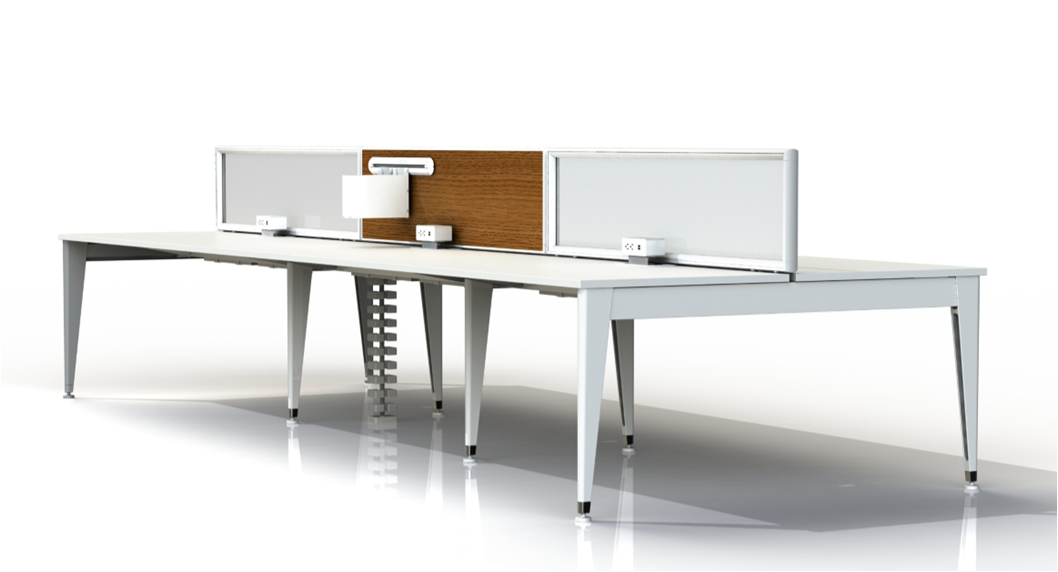
Benching systems remain one of the most popular office layouts because they maximize floor space while encouraging collaboration. However, supplying power to multiple users without creating cable clutter can be challenging.
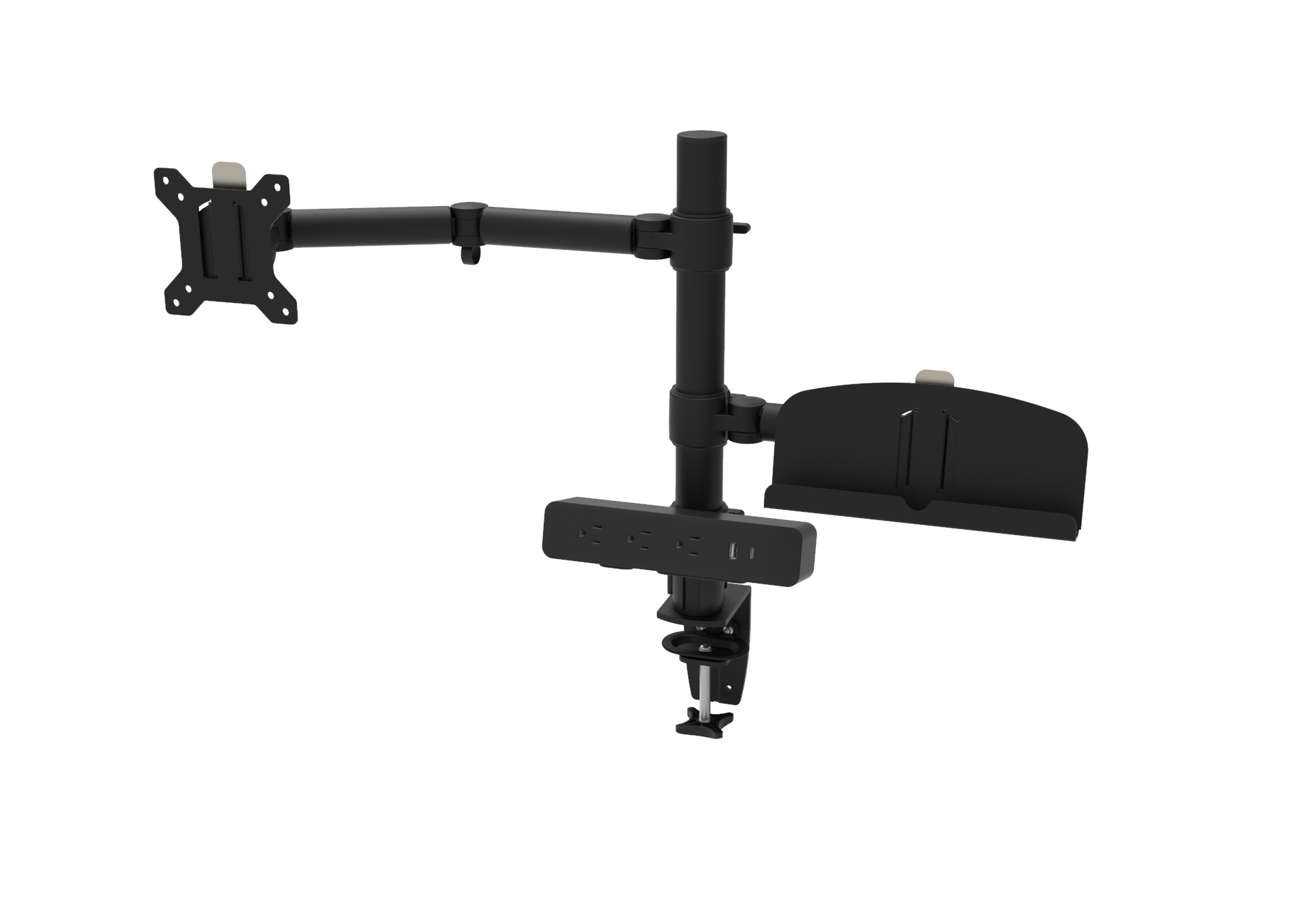
With X.LINKER, several workstations can share a single modular power network through factory-engineered daisy-chain connections. Power strips are mounted discreetly beneath the worksurface, while desktop power modules provide convenient access to AC outlets and USB charging.
The result is a cleaner workstation, fewer floor cables, and simplified maintenance. Because additional desks can be connected using compatible modular components, benching systems can grow as teams expand without requiring major electrical modifications. Similar modular furniture power systems are widely used in benching environments because they reduce the number of individual wall connections while maintaining organized cable routing.
Sit-stand workstations introduce additional challenges for power distribution. Power cables must move safely with the desktop while maintaining reliable electrical connections.
The X.LINKER system integrates beneath the worksurface, allowing cables to travel with the lifting mechanism while keeping wiring organized and protected. Combined with proper cable management accessories, the system minimizes cable strain and maintains a clean appearance throughout the desk's full range of motion.
This makes X.LINKER an ideal workstation power solution for ergonomic office furniture manufacturers and commercial office projects focused on employee wellbeing.
Modern workplaces encourage spontaneous collaboration. Employees frequently move between individual workstations and shared project tables, making accessible power more important than ever.
X.LINKER delivers modular workstation power directly to collaborative tables through integrated desktop power modules or under-table distribution units. Users can conveniently charge laptops, tablets, and mobile devices without searching for nearby wall outlets.
Because the system uses modular connectors, collaborative spaces can easily be reconfigured as office layouts evolve.
Conference rooms require more than basic electrical outlets. Today's meetings rely on laptops, presentation equipment, video conferencing systems, and mobile device charging.
X.LINKER PRO supports conference tables with integrated workstation power that combines AC outlets, USB charging, and compatible desktop connectivity modules within a single coordinated solution.
By distributing power beneath the conference table and bringing only the required connections to the desktop surface, meeting spaces remain organized while providing convenient access for every participant.
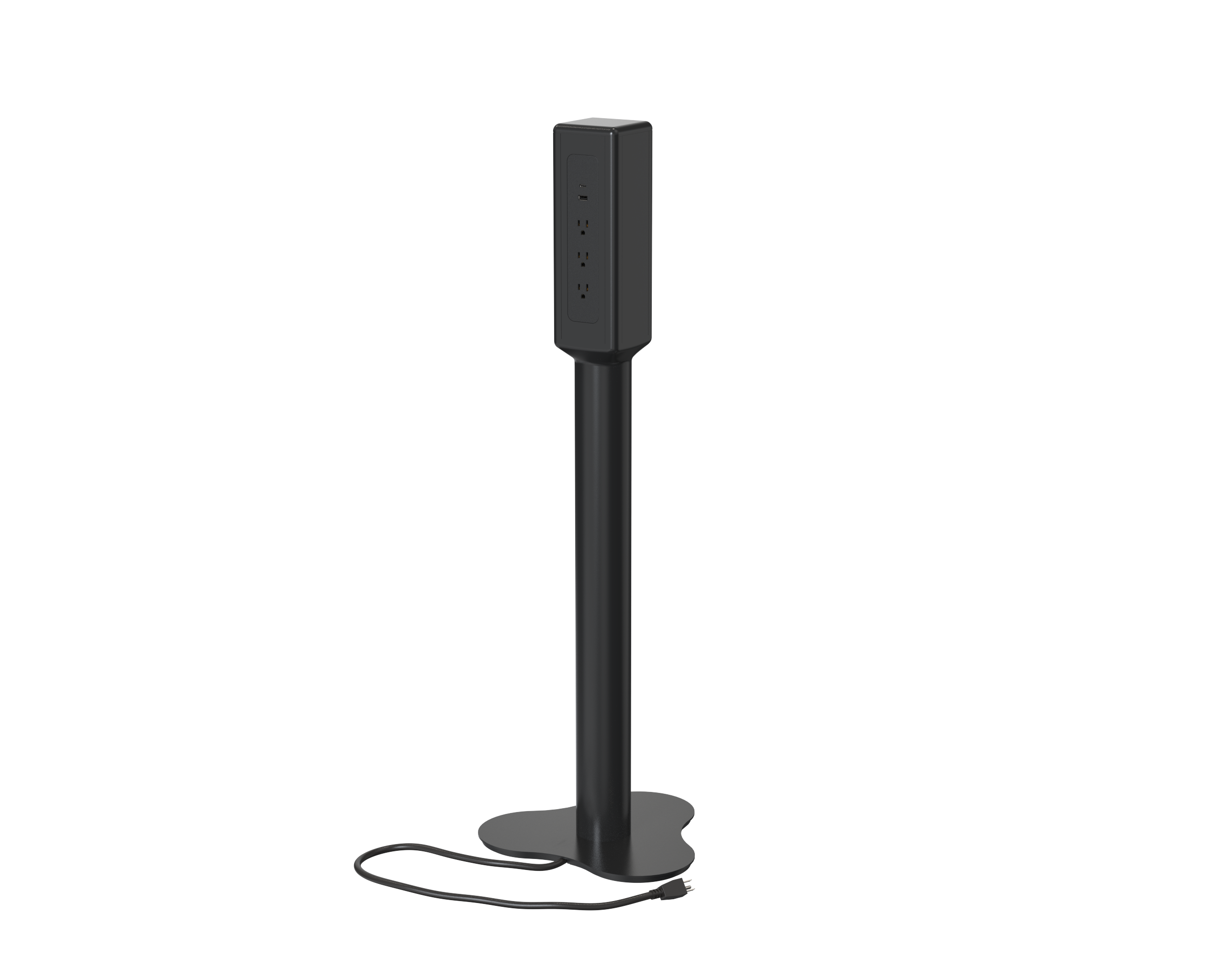
Power beams are increasingly used in open-plan offices to centralize electrical distribution above or below multiple workstations.
The X.LINKER PRO architecture integrates seamlessly with power beam systems, allowing multiple desktop power modules to connect through a common modular distribution network. This approach reduces visible wiring while supporting future workstation expansion without replacing the existing electrical infrastructure.
Because every component belongs to the same modular ecosystem, designers can combine bench workstations, power beams, collaborative tables, and conference furniture within a single coordinated workstation power solution.
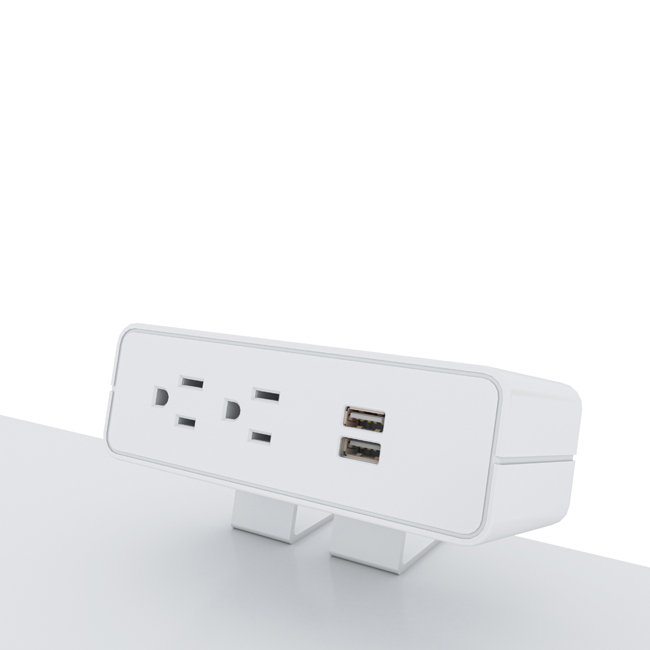
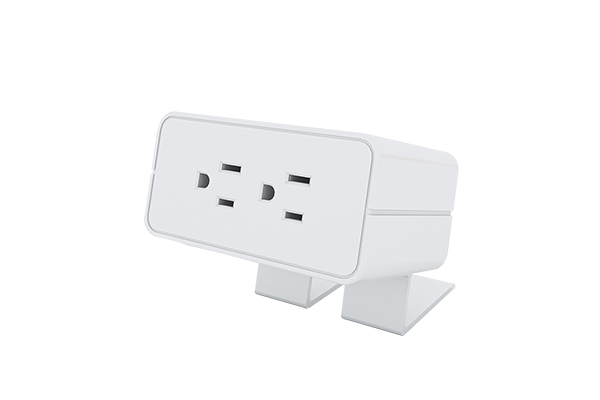
A workstation power network is only as convenient as the user interface employees interact with every day. This is where the OBS Desktop Power Module becomes an essential part of the X.LINKER PRO ecosystem.
Designed for modern commercial furniture, OBS provides users with easy access to power and connectivity directly from the desktop. Depending on project requirements, configurations may include:
|
|
|
|
|
Rather than placing multiple adapters across the desk, OBS centralizes power and connectivity in one clean, professional module that integrates seamlessly with conference tables, executive desks, collaborative furniture, and bench workstations.
When combined with the X.LINKER modular distribution system, OBS creates a complete workstation power solution—from the building power source to the user's desktop.
Commercial furniture manufacturers often serve multiple international markets. A workstation power system should therefore support regional electrical standards without requiring a complete product redesign.
The X.LINKER platform is available with configurations for major global markets, including:
|
|
|
|
This flexibility allows furniture manufacturers, distributors, and project contractors to standardize on one modular power platform while selecting the appropriate outlet configuration for each destination market.
The modular design also simplifies OEM and ODM customization, making X.LINKER suitable for international office furniture programs and large commercial projects.
At Omni, workstation power is more than a single product—it is a complete modular ecosystem engineered for the evolving needs of commercial office furniture.
Our X.LINKER and X.LINKER PRO systems are developed to help furniture manufacturers, workplace designers, distributors, and project contractors deliver smarter, more flexible office environments.
Key advantages include:
|
|
|
|
| |
|
|
|
|
Whether you are furnishing a single office or managing a large-scale commercial fit-out, Omni provides dependable workstation power solutions designed for long-term performance and workplace flexibility.
As office environments continue to evolve, the demand for adaptable infrastructure has never been greater. Modern businesses need more than conventional power strips—they require intelligent workstation power systems that support flexible layouts, collaborative workstyles, and future expansion.
The X.LINKER and X.LINKER PRO modular workstation power systems combine plug-and-play installation, daisy-chain power distribution, and international compatibility into a single scalable platform. From bench workstations and height-adjustable desks to conference tables and power beam systems, every solution is engineered to simplify installation, improve cable management, and enhance the overall workplace experience.
By integrating modular power directly into office furniture, organizations can create cleaner, safer, and more efficient workspaces while reducing long-term installation and maintenance costs.
Looking for a reliable modular workstation power solution for your next commercial furniture project?
Whether you need a complete daisy-chain power distribution system, desktop power modules, or customized international socket configurations, Omni can help you design a solution tailored to your application.
Contact Our Team Today to discuss your project requirements, request product specifications, or explore OEM/ODM opportunities for the X.LINKER™ and X.LINKER PRO modular workstation power systems.