Views: 0 Author: Site Editor Publish Time: 2026-03-23 Origin: Site


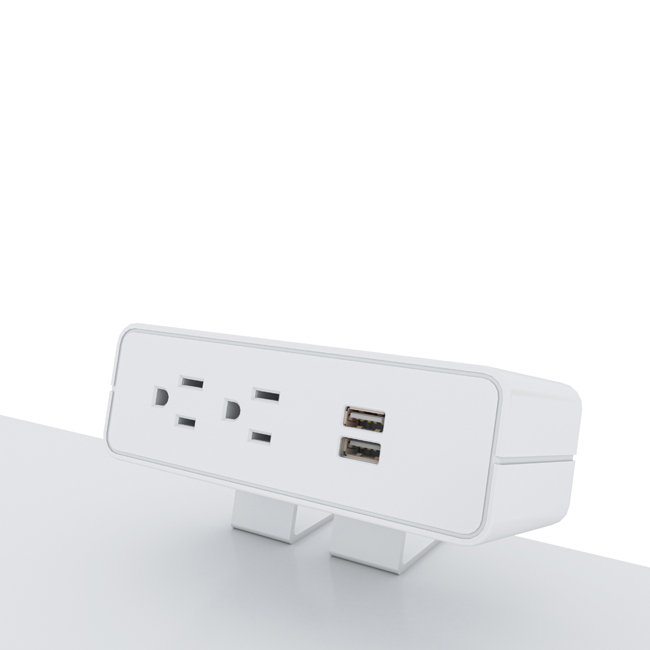
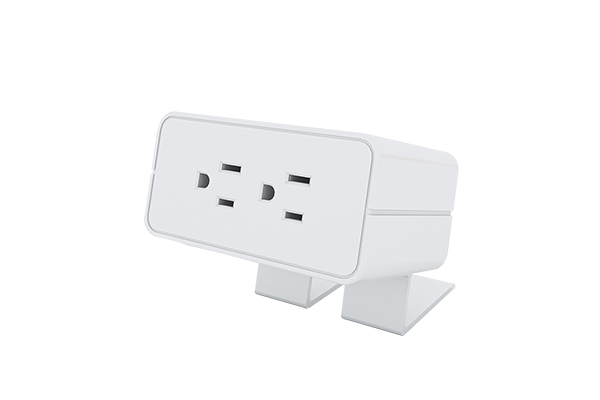
A power strip is a convenient tool for expanding the number of available outlets, adding surge protection, or providing USB charging ports. However, power strips have limits: both their electrical ratings and intended use determine which devices are safe to plug into them. This article explains which items should never be plugged into a power strip, why, and what safe alternatives exist for homes and workplaces in the USA / EU markets.
Do not plug the following into a standard consumer power strip:
Space heaters and portable heaters
Air conditioners and large HVAC equipment
Refrigerators, freezers, and other large motors (long-term)
Microwaves, toaster ovens, electric kettles, and other high-wattage kitchen appliances
Power tools and workshop machinery (table saws, compressors)
Medical life-support devices (unless specifically approved)
Outdoor equipment or devices in damp/wet locations (unless rated for outdoor use)
Extension cords or another power strip (daisy-chaining)
High-current battery chargers (EV chargers, large battery banks)
Read on for the technical reasons and acceptable alternatives.
Two fundamental limits explain why many devices should not use a power strip:
Current and thermal limits. Power strips and their cords are manufactured to handle a maximum current (amps). Exceeding that rating causes heat in the cord or strip housing, increasing fire risk. Continuous high-current devices place sustained thermal stress on components not designed for it.
Inrush current and cycling loads. Motors and heating elements often draw a higher surge (inrush) current when they start or cycle. A refrigerator's compressor or an HVAC unit can briefly draw multiple times its running current; that surge may trip breakers or damage surge components in a strip.
Other practical reasons: strips can be placed in confined spaces (under rugs, behind furniture) where heat can't dissipate; many are not designed for outdoor or wet environments; and some critical medical devices require dedicated, regulated power sources with redundancy.
Space heaters typically draw 1,000–1,500 watts or more. Most consumer power strips are not intended for continuous high-wattage resistive loads. The continuous draw can cause the strip's internal wiring to overheat. Many manufacturers and safety authorities explicitly list space heaters as unsafe to use on power strips.
Portable air conditioners and AC units draw large start-up currents and sustained loads. These inrush currents can exceed a strip's rating even if the running wattage seems within limits. Use a dedicated wall outlet on a properly rated circuit.
While small coolers or mini-fridges sometimes run briefly from a strip, full-size refrigeration units cycle frequently and have compressors with high inrush current. Long-term use of a strip increases the likelihood of overheating and premature failure.
Kitchen appliances often draw 1,000–3,000 watts. They should be connected to dedicated outlets capable of handling the load. Using them on a strip risks tripping, cord overheating, or fire.
Table saws, circular saws, air compressors, and large battery chargers are high-current devices. Many workshops use industrial power distribution units (PDUs) or hardwired circuits rated for the load rather than consumer strips.
Medical devices (ventilators, oxygen concentrators, dialysis machines) may require dedicated, stable power with backup options. Unless a strip is specifically designed and certified for medical use, do not use it for life-sustaining equipment.
Standard power strips are for indoor use only. Outdoor extension and weatherproof outlets or integrated outdoor-rated power strips must be used for outdoor appliances or tools to prevent electric shock and corrosion.
Plugging one power strip into another (daisy-chaining) or using extension cords to extend strip reach compounds resistance and heating, increasing the risk of overload and fire. It also becomes difficult to track the total load.
EV chargers and large industrial battery chargers draw hundreds to thousands of amps (at varying voltages) and require dedicated infrastructure. These must never use consumer power strips.
If you need to supply power to a high-draw device, consider these alternatives:
Dedicated circuit / dedicated outlet: Hardwire or install a dedicated outlet on its own circuit sized for the device (circuit breaker and wiring sized for the expected current).
Heavy-duty PDU or professional-grade outlet: For workshops or server rooms, use PDUs and outlets designed for continuous high loads and with appropriate protection.
Hardwired installations for kitchen appliances: Many built-in ovens, microwaves, and HVAC units should be hardwired or connected to an appropriately rated outlet.
Medical-grade power systems: For medical devices, use approved medical-grade power strips or outlets and consult a biomedical engineer if needed.
Outdoor-rated power distribution: For outdoor use, select IP-rated, weatherproof distribution boxes or outlets.
A basic rule: Watts = Volts × Amps. Use the strip's voltage and amp rating to determine maximum wattage.
Example — North America (typical household): a 15 A strip on a 120 V circuit:
15 A × 120 V = 1,800 W (maximum theoretical). For continuous loads, apply an 80% safety factor: 1,800 × 0.8 = 1,440 W recommended continuous limit.
Example — Typical European circuits: a 16 A strip on a 230 V supply:
16 A × 230 V = 3,680 W maximum. 80% continuous recommendation: 3,680 × 0.8 = 2,944 W.
When planning, add the wattages (or amps) of all devices that will run at once, including surges for motor starts. If the total exceeds the recommended continuous limit, choose a different power solution.
Stop using the strip immediately if you notice:
Burning smell or visible discoloration on the cord or strip
Plug or outlet feels unusually hot to the touch
Repeated tripping of the strip's breaker or the building circuit breaker
Sparks when plugging devices in or out
Melted plastic or distorted housing
Unplug all devices and replace the strip. If you suspect wiring damage or continued tripping, consult a qualified electrician before reuse.
Use a surge-protecting strip with an adequate joule rating for electronics.
Confirm the strip's voltage and amp rating match your region and devices.
Never plug high-wattage appliances (heaters, ovens, ACs) into consumer strips.
Avoid placing strips under rugs or in enclosed spaces that trap heat.
Don't daisy-chain strips or use adapters to increase outlet count.
Replace strips that show wear, loss of surge protection, or after major surge events.
For workplaces, standardize on certified, high-quality strips and track inventory and replacement schedules.
A power strip is a versatile convenience device — but it has limits. Never use consumer-grade strips for space heaters, large motors, kitchen heavy-duty appliances, medical life-support devices (unless specifically rated), or outdoor/wet applications. When in doubt, err on the side of a dedicated circuit or professional-grade power distribution. Following the load calculation examples, watching for warning signs, and using properly rated equipment will keep your environment safe and your devices protected.