Views: 0 Author: Site Editor Publish Time: 2026-10-14 Origin: Site


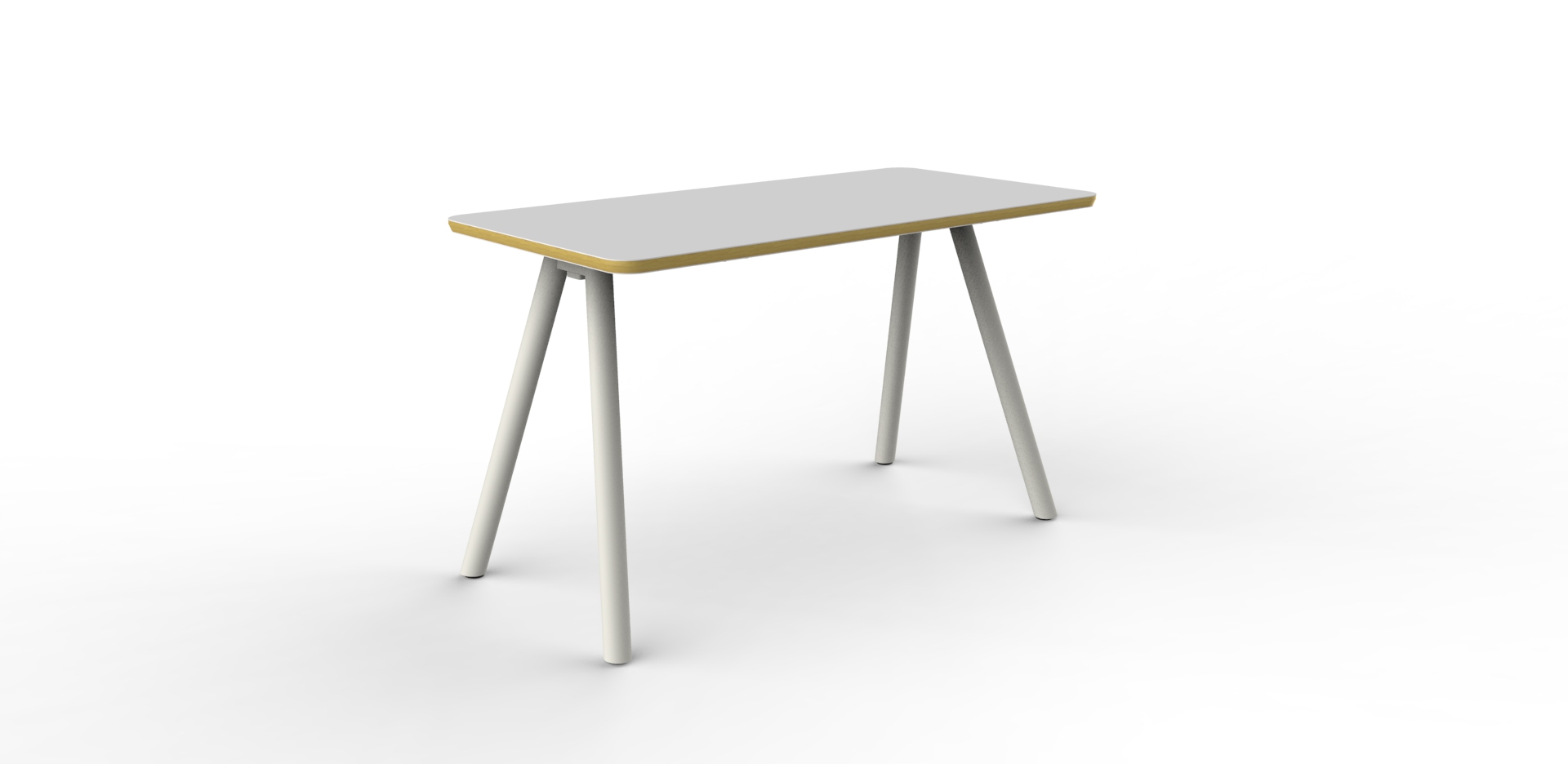
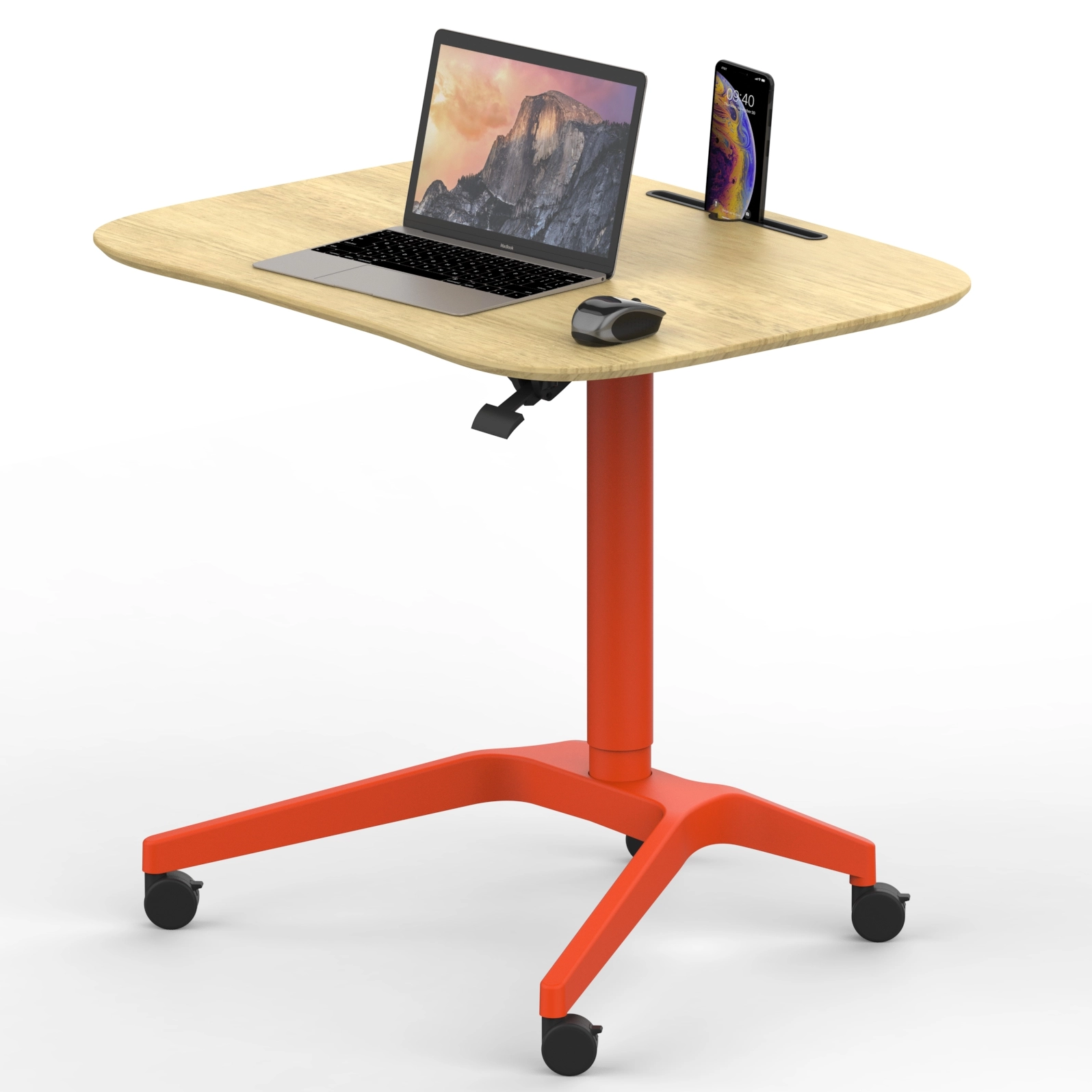
An occasional table is a small, versatile table that provides a convenient surface wherever you need it. Commonly found beside lounge seating, in reception areas, and throughout collaborative workspaces, it combines practical functionality with a design that complements the surrounding furniture. Unlike a desk or conference table, which serves a more specific primary purpose, an occasional table offers flexible support for everyday activities in a variety of settings.
For office furniture distributors, designers, and commercial project buyers, understanding this category helps identify suitable furniture for spaces that need to balance usability, appearance, and efficient space planning.
The word "occasional" refers to the table's flexible, supplementary role rather than suggesting that it is used infrequently. An occasional table can serve as a place to set down a drink, hold reading materials, display decorative objects, or keep small personal items within easy reach.
These tables are generally compact and easy to incorporate into different furniture arrangements. Depending on their design, they may be moved between seating areas or remain in a fixed position as part of a coordinated interior.
In commercial environments, occasional tables help make a space more functional without requiring a large furniture footprint. They are particularly useful where people gather briefly, wait for appointments, or take informal breaks.
The main difference between an occasional table and other tables is its intended function.
Occasional tables: Provide convenient supplementary surfaces near seating or in shared spaces.
Desks: Support individual work, often accommodating computers, documents, and other work equipment.
Conference tables: Provide shared surfaces for formal meetings, presentations, and group discussions.
Dining tables: Are designed primarily for meals and related activities.
Although these categories can sometimes overlap, their intended use helps determine the appropriate dimensions, construction, and features.
Occasional tables come in several forms. Understanding their differences helps buyers select products that fit the layout and function of a particular space.
A side table is typically placed beside a sofa, lounge chair, or other seating. An end table serves a similar purpose, often positioned at the end of a sofa or beside an individual chair.
These compact tables provide an accessible surface for beverages, mobile devices, books, and personal belongings. Their relatively small footprint makes them suitable for reception lounges, executive offices, and informal meeting areas.
For commercial buyers, important considerations include the table's height relative to adjacent seating, the stability of its base, and whether its shape allows comfortable movement around the furniture.
A coffee table is generally positioned in front of a sofa or within a lounge seating arrangement. Compared with most side tables, it usually offers a larger surface and a lower profile.
Coffee tables can anchor a seating group while providing space for magazines, refreshments, and shared materials. They are frequently used in office lounges, reception areas, hospitality environments, and informal client meeting spaces.
When specifying coffee tables, buyers should consider the distance between the table and surrounding seating, the available circulation space, and the ease of cleaning the tabletop.
An accent table places greater emphasis on visual character while retaining a practical function. It may feature a distinctive shape, contrasting finish, decorative base, or combination of materials.
Accent tables can introduce visual interest into executive offices, reception areas, and hospitality-inspired workspaces. They may also coordinate with lounge chairs, sofas, and other occasional furniture to create a consistent interior design.
For projects with multiple furniture zones, selecting accent tables from a compatible design collection can help maintain a cohesive appearance without making every area look identical.
Office lounges and breakout areas support informal conversations, short breaks, and spontaneous collaboration. Occasional tables give employees a convenient place to set down drinks, notebooks, and personal items while using lounge seating.
Their compact size can also help designers create functional seating arrangements without overcrowding the floor plan. In flexible workplaces, lightweight designs may make it easier to adjust furniture layouts as team needs change.
In reception and waiting areas, occasional tables improve convenience for visitors while contributing to the overall impression of the workplace.
A side table beside a lounge chair can hold personal belongings, while a coffee table can serve a larger seating group. The right selection helps create a welcoming environment without obstructing walkways or access to reception counters.
Because these areas may experience frequent daily use, buyers should prioritize stable construction, easy-care surfaces, and finishes that coordinate with the broader reception furniture scheme.
Occasional tables also work well in collaborative zones, shared amenity spaces, and hospitality-inspired offices. They can support informal discussions, provide temporary work surfaces, or make lounge seating more practical for short visits.
For designers and project buyers, the goal is to match the table to the activity taking place in the space. A compact side table may be sufficient for individual seating, while a larger coffee table may better support a group.
Selecting occasional tables for a commercial project involves more than choosing an attractive design. Buyers should evaluate how the furniture will perform in its intended environment.
Start by measuring the available floor area and reviewing the arrangement of sofas, lounge chairs, doors, and circulation routes.
The table should be proportionate to the surrounding seating and provide a comfortable reach for users. A surface that is too large can restrict movement, while one that is too small may not meet practical needs.
For projects involving several rooms or locations, consistent dimensions and clearly defined specifications can simplify furniture planning and product selection.
Material selection should reflect the expected level of use and the requirements of the space. Metal, wood, engineered wood, glass, and combinations of these materials can all be appropriate, depending on the design and construction.
When evaluating products for commercial use, consider:
Structural stability: Assess the base, joints, and overall construction.
Surface durability: Look for finishes suited to the expected level of daily use.
Maintenance: Consider cleaning requirements and resistance to common spills or marks.
Finish consistency: Check whether the selected finish coordinates with other furniture in the project.
For high-traffic reception and lounge areas, practical maintenance and dependable construction can be just as important as appearance.
The table's shape, color, and finish should complement the surrounding furniture and interior design. Round tables may soften the appearance of a seating arrangement, while square and rectangular designs can create a more structured layout.
Stability is equally important. Buyers should review the footprint of the base, the distribution of weight, and any product-specific load information available from the supplier.
Additional features, such as integrated storage or easy-to-move construction, may be useful when they directly support the intended application. However, unnecessary features can add cost without improving the user experience.
For distributors, furniture brands, and commercial project buyers, supplier evaluation should extend beyond the appearance of an individual product.
Review the available specifications, material and finish options, minimum order quantities, production lead times, packaging requirements, and delivery arrangements. If a project requires multiple furniture types, confirm that the supplier can provide consistent product information and coordinate the required finishes or configurations.
Clear communication at the specification stage helps reduce mismatches between the design concept, purchasing requirements, and final installation.
An occasional table is a versatile piece of supplementary furniture that adds convenience and functionality to seating areas, reception spaces, and collaborative environments. From side tables and end tables to coffee tables and accent tables, each type serves a slightly different purpose.
For commercial furniture buyers, the best choice balances size, stability, materials, maintenance, and design compatibility. By starting with the intended use and evaluating the product against real project requirements, buyers can select occasional tables that contribute to a practical, cohesive, and welcoming workspace.
Its main purpose is to provide a convenient supplementary surface near seating or in shared spaces. It can hold drinks, books, personal belongings, and decorative items without taking up as much space as a larger table.
A side table is a specific type of occasional table, usually positioned beside a sofa or chair. An occasional table is the broader category, which can also include coffee tables and accent tables.
Yes. They are useful in office lounges, reception areas, breakout spaces, and informal meeting zones. Buyers should choose products with suitable construction, finishes, dimensions, and maintenance requirements for the intended environment.
Common materials include metal, solid wood, engineered wood, glass, and combinations of these materials. The appropriate choice depends on the desired appearance, budget, expected usage, and maintenance requirements.
Consider the dimensions of the surrounding seating, the distance users need to reach the surface, and the circulation space around the furniture. The table should be practical without making the area feel crowded.
Commercial buyers should review dimensions, materials, construction, finish options, product specifications, order quantities, lead times, and delivery requirements. For larger projects, visual consistency across furniture selections is also important.