Views: 0 Author: Site Editor Publish Time: 2026-06-26 Origin: Site


Office furniture is changing fast in 2026 because the workplace itself has changed. Across Europe and globally, hybrid work has stabilized into a more structured model, while organizations are focusing on making the office more useful for collaboration, learning, and focused work. That is why the latest trends are less about style alone and more about flexibility, privacy, ergonomics, sustainability, and better employee experience. In short, yes—the office furniture market is being reshaped by how people actually work now.
One of the clearest 2026 trends is the move away from rigid desk rows and toward adaptable workplace zoning. JLL's 2026 occupancy planning research says structured hybrid work has become the global norm, and that the office is now being planned around a clearer balance between attendance, collaboration, and space efficiency. For buyers, that means furniture needs to support multiple use cases, not just one fixed mode of work.
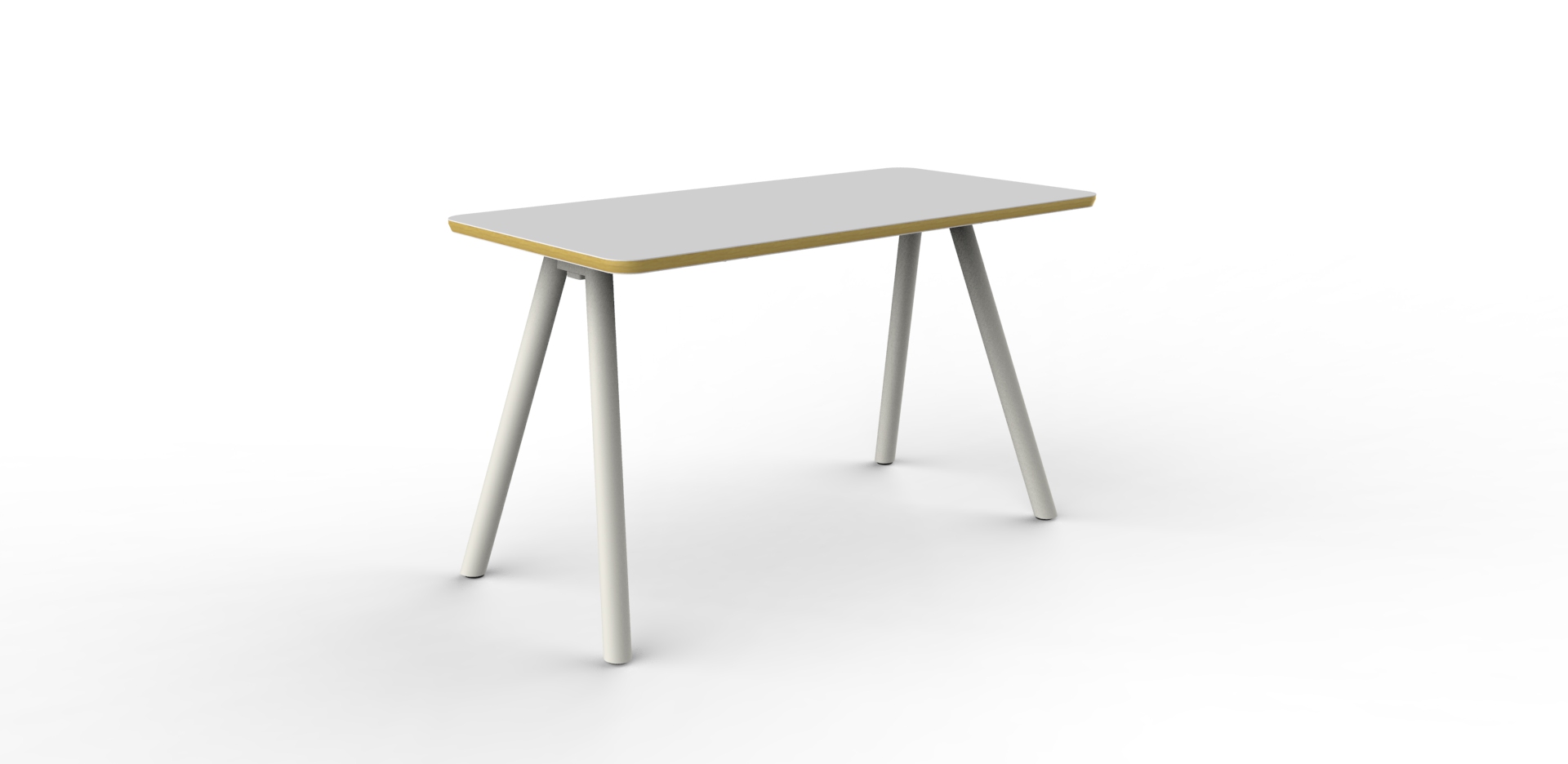
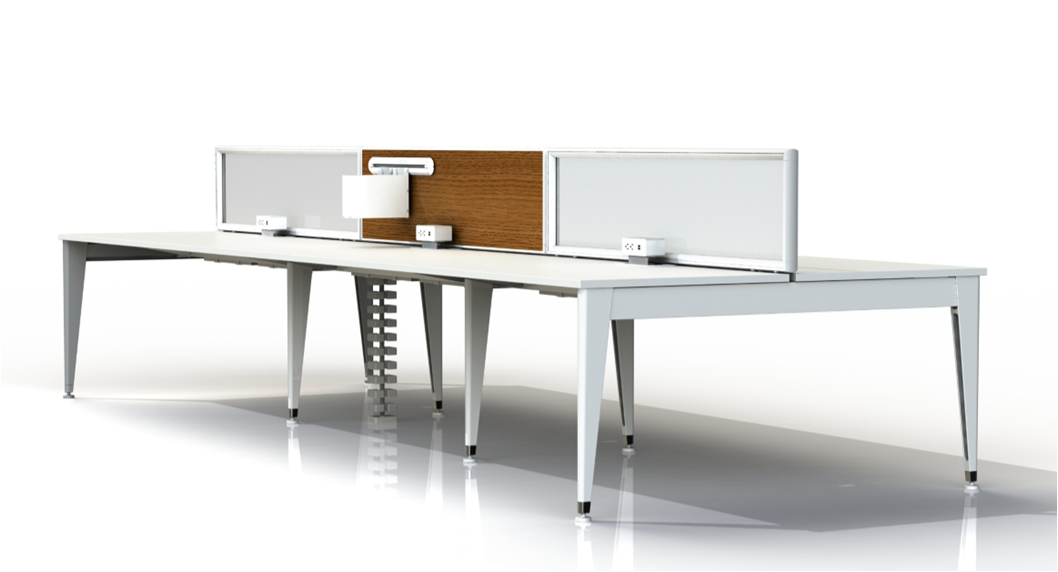
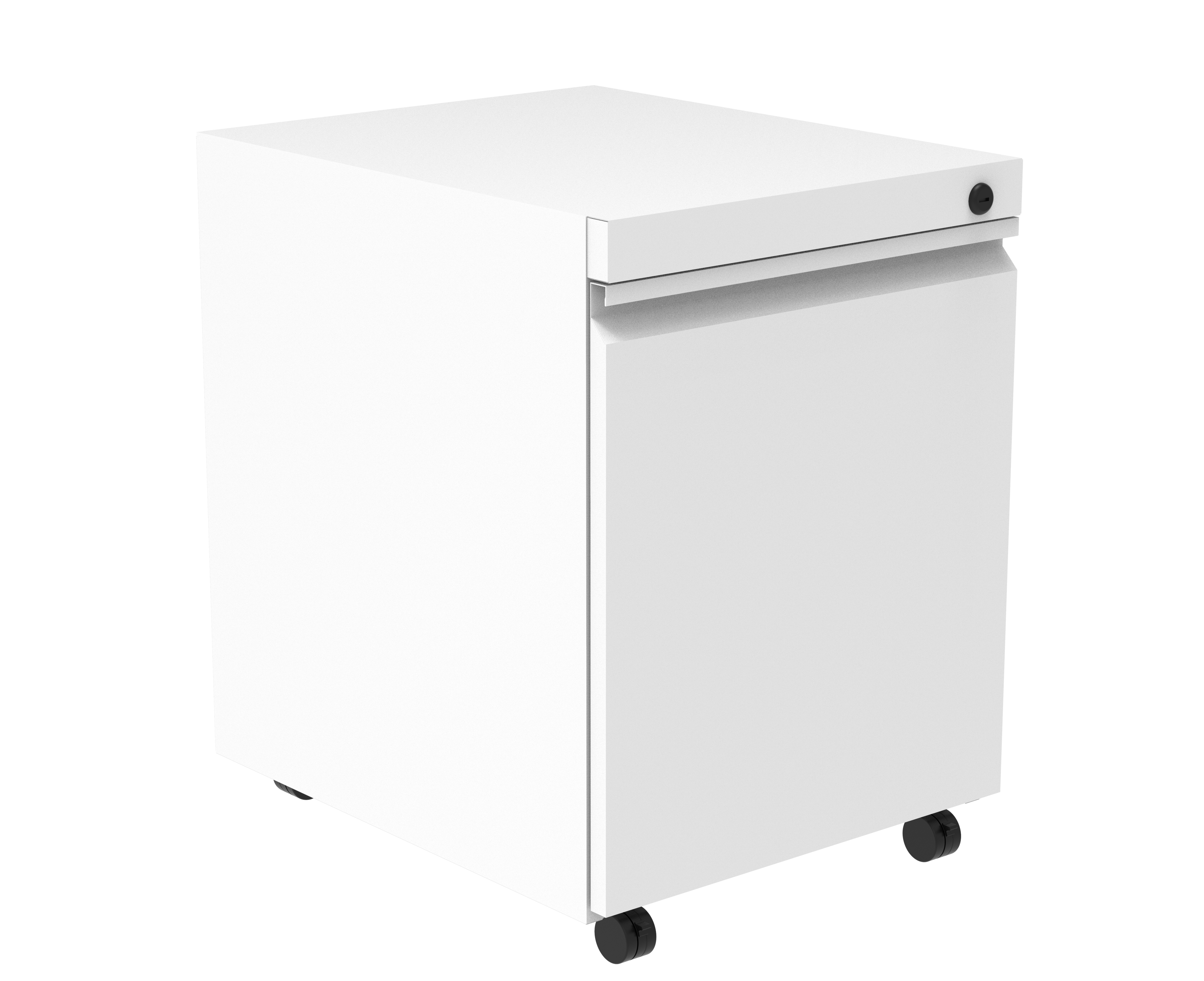
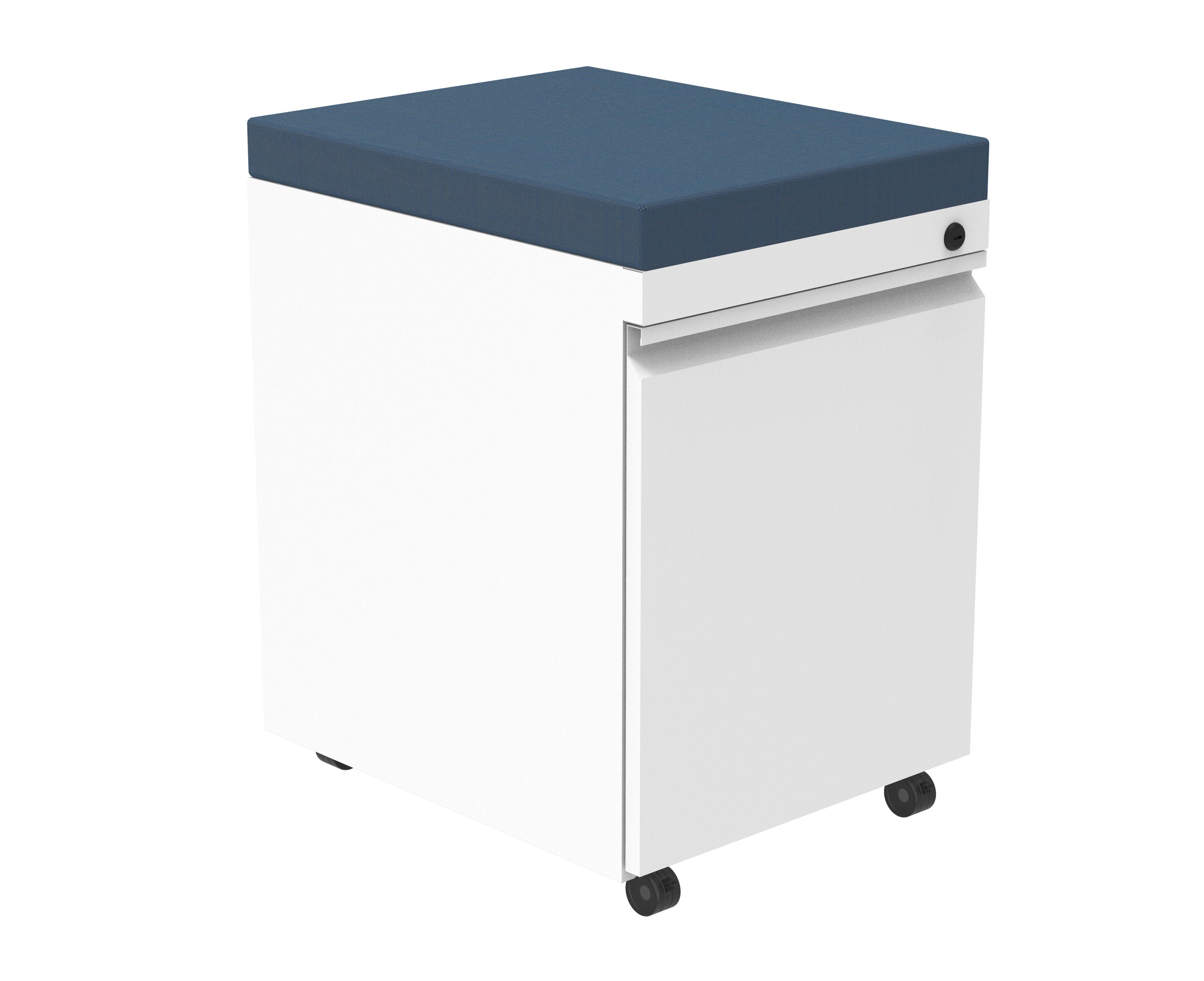
In practical terms, this is why modular tables, mobile storage, foldable or stackable furniture, lightweight seating, and reconfigurable workstations are gaining ground. Offices need to shift quickly between team meetings, solo work, training sessions, and project collaboration. Furniture that can move, connect, or transform gives companies more value from every square meter.
Open-plan offices are not disappearing, but they are being corrected. Steelcase's 2025 research found that privacy has become one of the most important workplace needs, especially for managers, and that many people still lack the privacy they need to do their best work. That has made acoustic comfort and visual privacy a major furniture priority in 2026.
This is pushing demand for acoustic pods, privacy screens, enclosed booths, high-back seating, and furniture that helps reduce noise and distraction without fully closing off the office. The trend is not just about making spaces quieter; it is about supporting concentration, calls, and confidential conversations in a workplace that still needs to feel open and collaborative.
Ergonomics is no longer a premium upgrade. EU-OSHA states that employers must assess and reduce risks from display screen equipment, including eyesight, physical problems, and mental stress, and it emphasizes minimum requirements for workstations. That makes furniture selection a health-and-safety issue as well as a design decision.
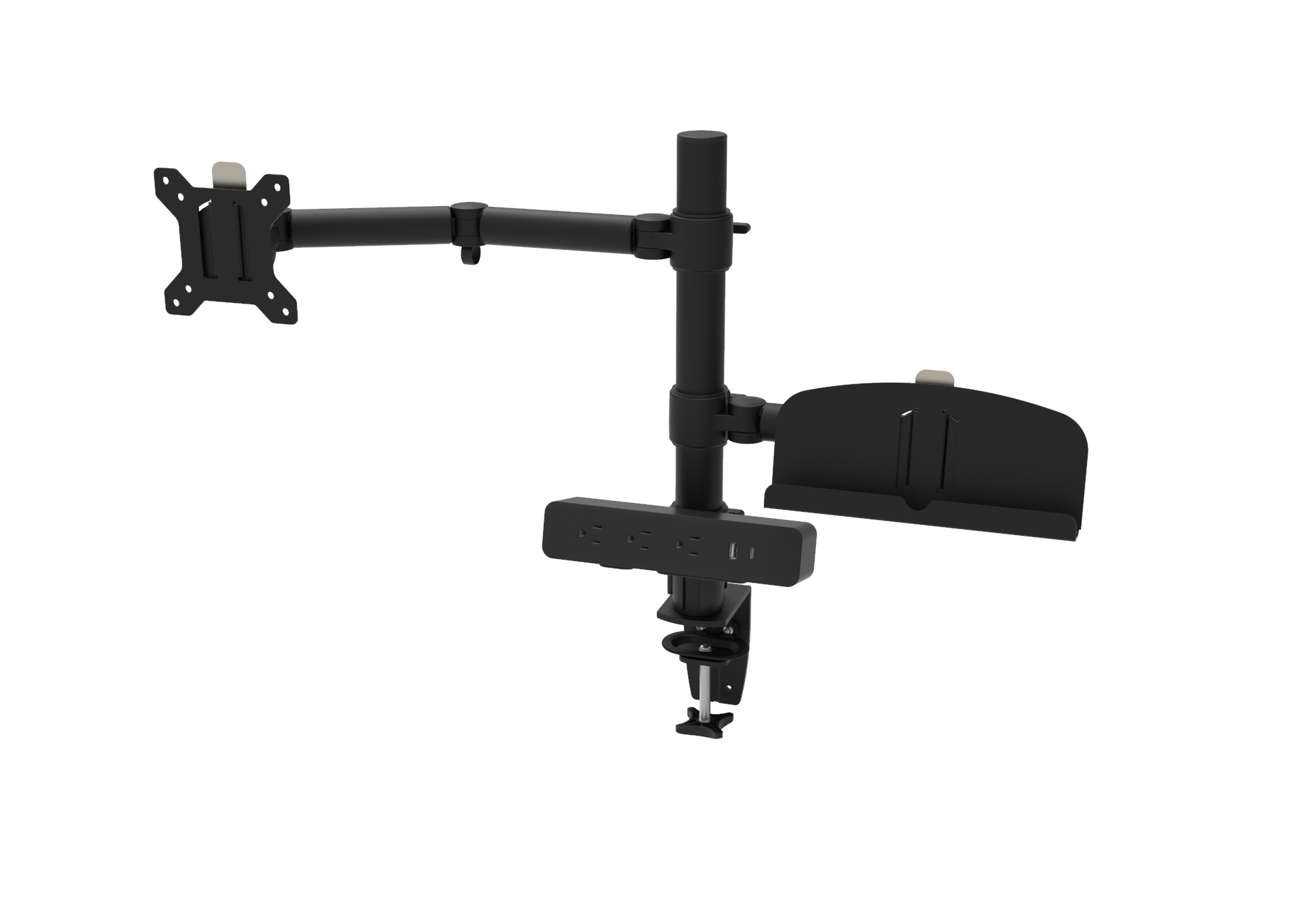
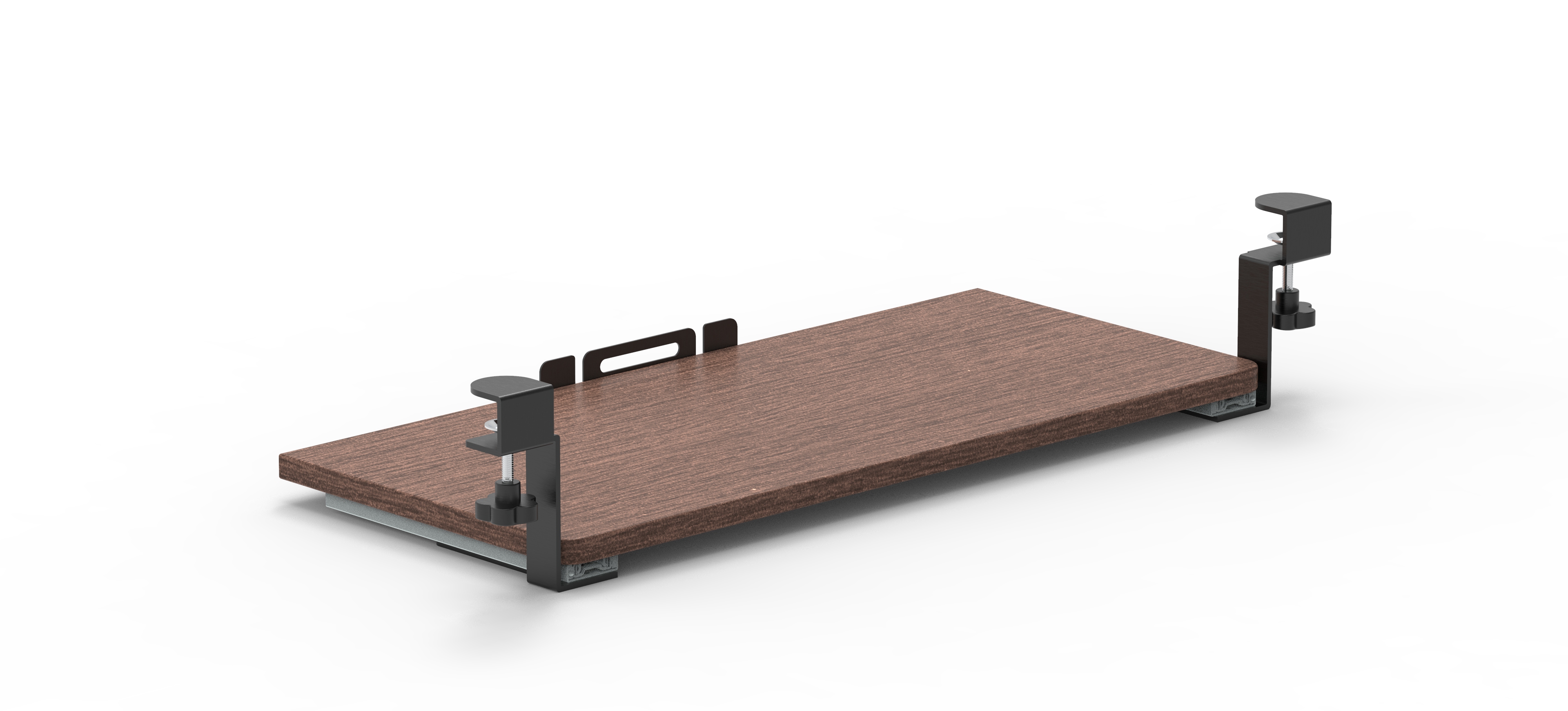
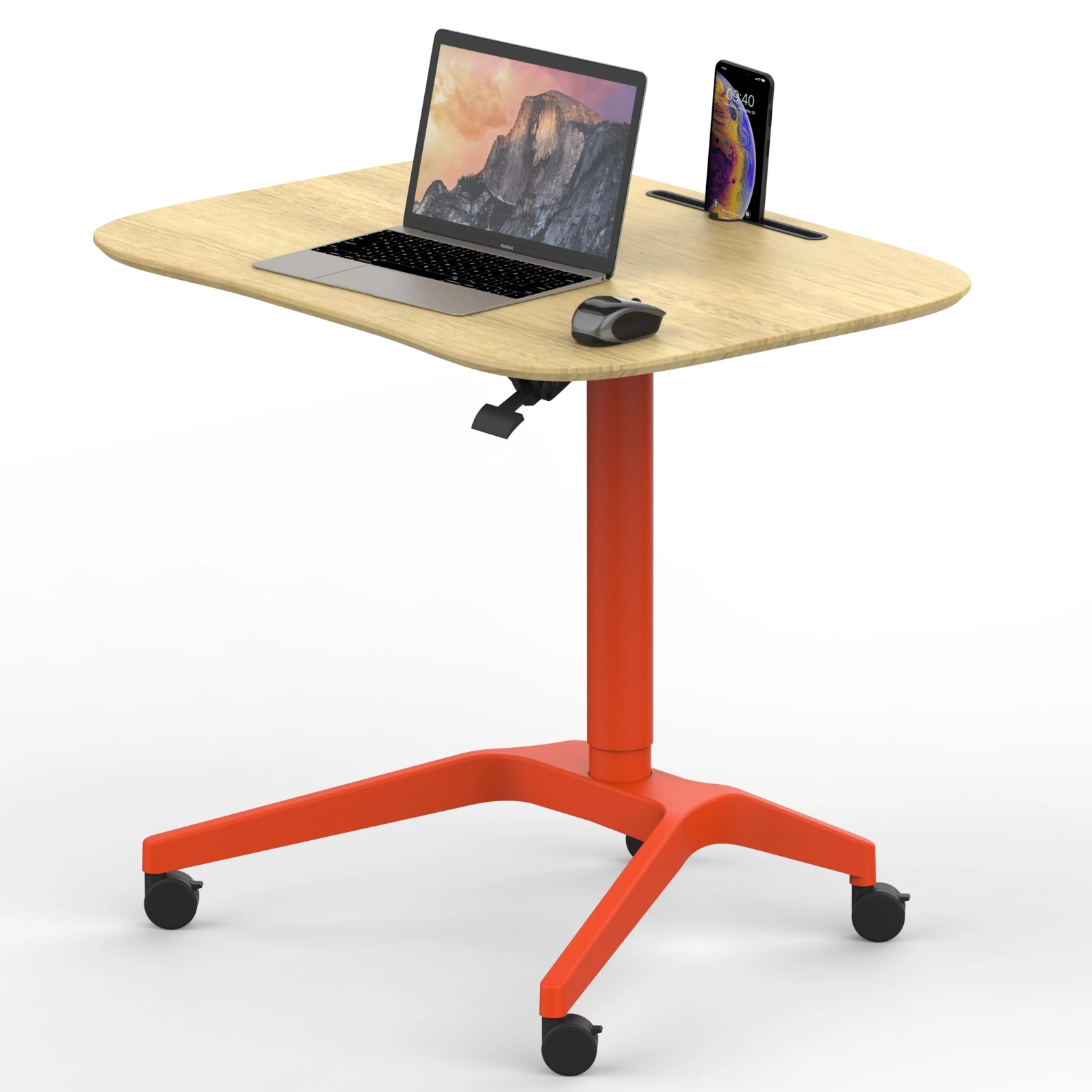
As a result, height-adjustable desks, ergonomic task chairs, monitor arms, footrests, and flexible workstation setups remain central trends in office furniture. The goal is not simply comfort in a general sense; it is reducing static posture, supporting movement, and helping different users work safely and efficiently throughout the day. In 2026, a well-designed office makes it easier to change posture, not harder.
Sustainability is one of the strongest buying influences in Europe. The European Commission says the EU's circular economy approach is intended to keep products and materials in use for as long as possible, while reducing waste and resource use. It also notes that product design plays a major role in environmental impact, which is why durability and circularity are becoming central procurement criteria.
The new Ecodesign for Sustainable Products Regulation reinforces this direction by supporting durability, reusability, repairability, refurbishing, remanufacturing, recyclability, recycled content, and product sustainability information. It also introduces the Digital Product Passport, which is designed to improve transparency and support circularity. For office furniture buyers, this means the best products in 2026 are not only attractive and functional, but also repairable, long-lasting, and easier to justify over the full lifecycle.
This is also reflected in Europe's furniture sector initiatives. The Cir4Fun project, updated in 2026, is specifically focused on circular design strategies, digital product passports, and sustainable product-service systems for furniture, with a strong emphasis on maintenance, reparability, refurbishment, remanufacturing, and recyclability. That is a strong signal that circularity is no longer theoretical; it is becoming a real commercial direction for the sector.
In 2026, office furniture must work with technology, not around it. JLL's recent workplace research says AI-readiness is now a strategic focus, while Gensler's 2026 survey shows that AI users are spending more time learning and connecting with teams, which increases the importance of spaces that support both concentration and collaboration. That means workplaces need furniture that makes power access, charging, connectivity, and cable management feel seamless.
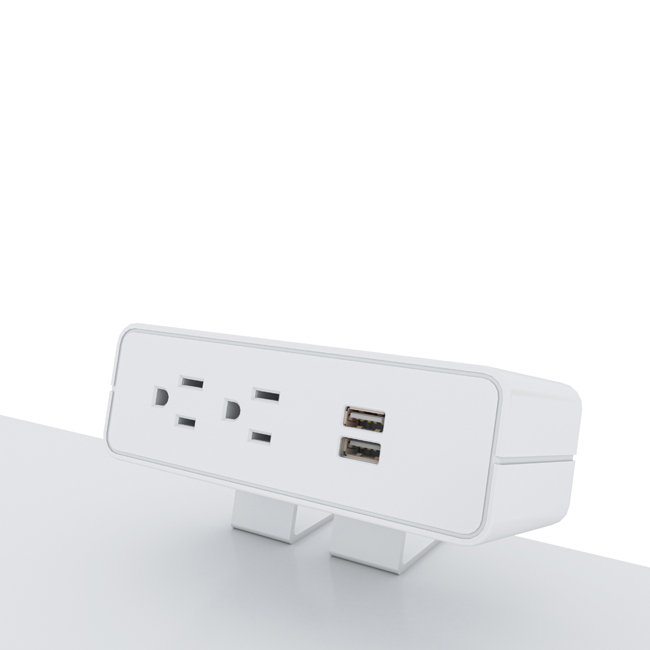
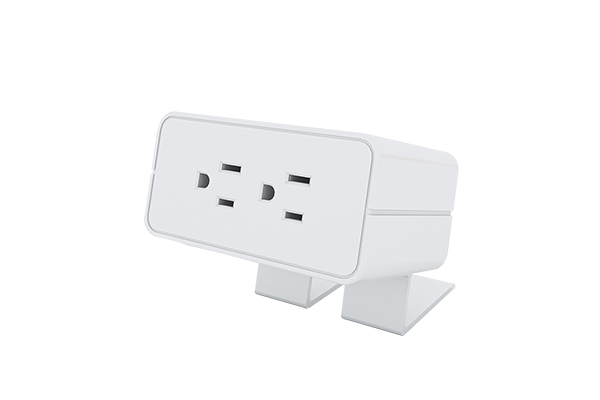
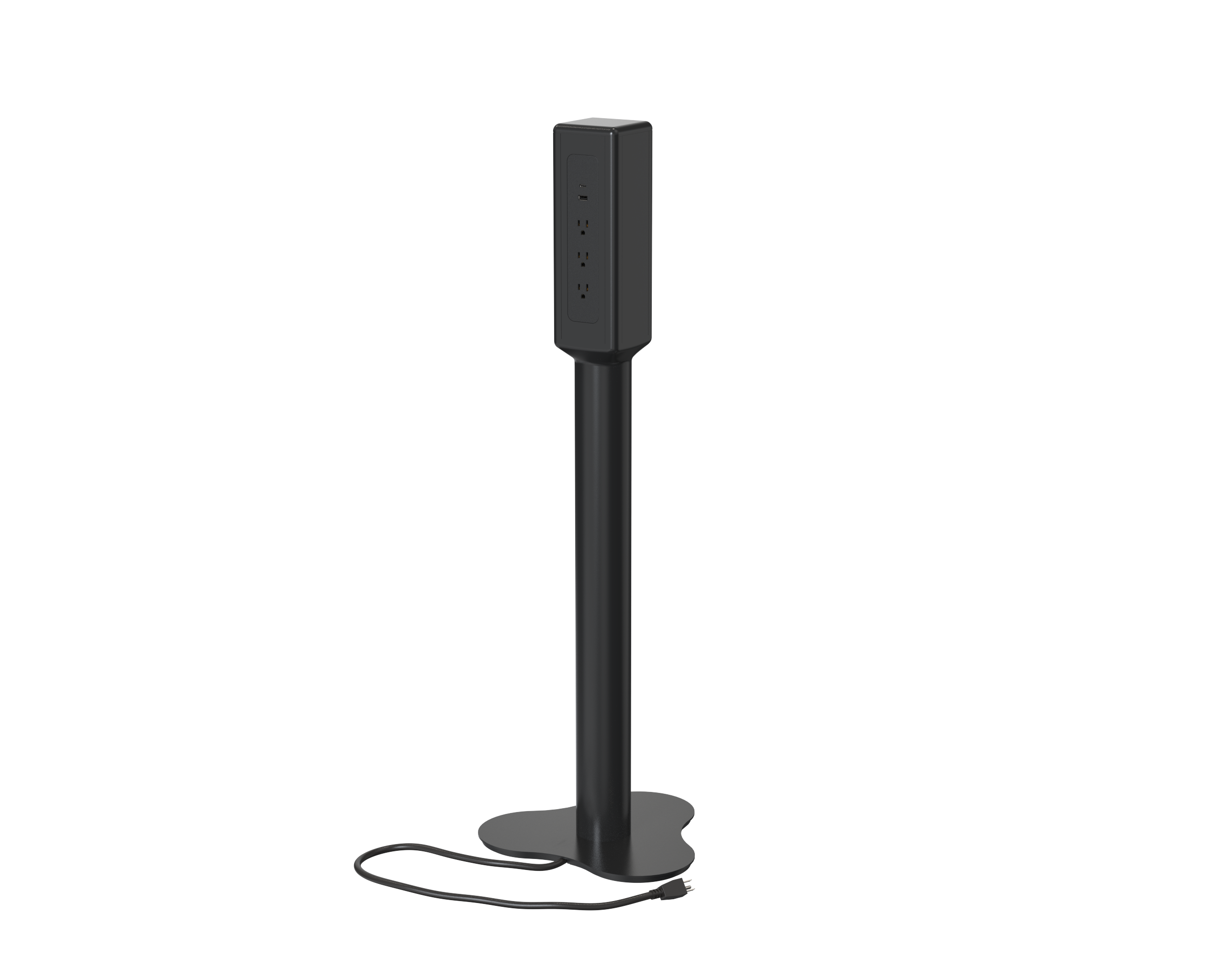
This trend is especially important for desks, meeting tables, collaborative benches, and shared touchdown zones. Clean cable routing, integrated power modules, and smart access to devices help the office feel more efficient and less cluttered. The more technology influences work, the more furniture is needed to support a smooth and professional day-to-day experience.
The strongest offices in 2026 are not just efficient; they feel good to use. Gensler's 2026 Global Workplace Survey found that the office remains important, but that workplaces need to better support focus, learning, and connection. It also found that employees in high-performing workplaces are more satisfied, more engaged, and more likely to stay. That is why human-centric design has become a core office furniture trend.
For buyers, this means paying attention to more than dimensions and price. Materials, finishes, warmth, comfort, and visual identity all matter. People respond better to spaces that feel calm, natural, and flexible rather than overly corporate. Furniture that balances functionality with hospitality-style comfort is helping turn offices into places people actually want to visit.
So, what are the latest trends in office furniture in 2026? The answer is clear: flexible layouts, acoustic privacy, ergonomic support, sustainable procurement, technology integration, and human-centric design. In Europe, especially, office furniture is being chosen not only for appearance, but for how well it supports hybrid work, compliance, circularity, and employee experience. Buyers who focus on adaptability, durability, and comfort will be better positioned to build offices that perform well now and remain relevant later.
Q1: What office furniture is most in demand in 2026?
Modular desks, ergonomic chairs, sit-stand workstations, acoustic privacy furniture, and tech-ready tables are among the strongest demand categories because they support hybrid work and changing space needs.
Q2: Why is privacy such a big trend now?
Because many offices still do not provide enough quiet space for focused work and confidential conversations. Recent workplace research shows privacy is one of the top unmet needs in the office.
Q3: Are ergonomic desks and chairs still important in 2026?
Yes. EU guidance continues to require risk reduction for screen-based workstations, and ergonomics remains central to safety, comfort, and productivity.
Q4: Is sustainability really affecting office furniture buying decisions?
Yes. EU circular economy policy and ecodesign rules are pushing durability, repairability, recyclability, and product transparency much further into procurement decisions.
Q5: What should buyers prioritize first?
Start with flexibility, ergonomics, privacy, and lifecycle value. Those four factors cover the biggest workplace needs and usually deliver the strongest long-term return.