Views: 0 Author: Site Editor Publish Time: 2026-04-27 Origin: Site


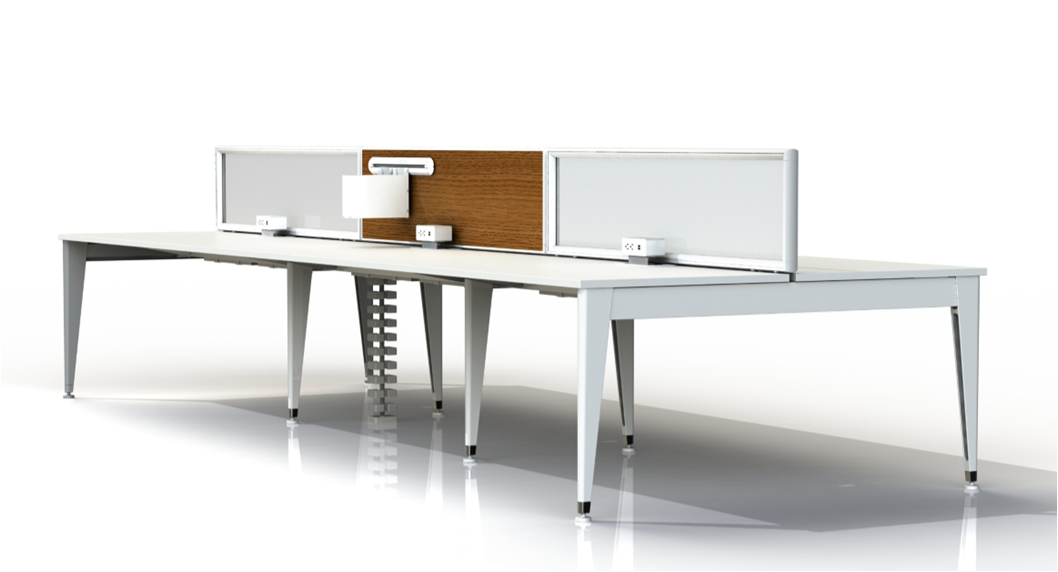
Yes—a hybrid meeting table is a smart choice for modern workplaces because it supports both in-person discussion and remote collaboration in one functional setup. A hybrid meeting table is designed for meetings where some participants are in the room and others join by video call. Unlike a basic conference table, it usually includes better cable routing, built-in power access, device charging support, and a layout that works well with cameras, microphones, and screens.
For B2B buyers, this matters because the meeting room is no longer just a place for internal discussion. It is a communication hub for clients, partners, and distributed teams. A well-designed hybrid meeting table helps a room look professional while also making meetings smoother, faster, and more productive.
Today's offices need furniture that does more than fill space. A hybrid meeting table supports business goals in practical ways:
It improves meeting efficiency by reducing cable clutter and setup time. It supports technology-heavy meetings without making the room feel messy. It also helps companies present a modern, organized image to visitors and customers.
For commercial buyers, this can be especially valuable in:
corporate offices
training rooms
client meeting spaces
coworking environments
education and project rooms
executive boardrooms
A standard conference table may still work in some rooms, but a hybrid meeting table is better suited for workplaces where digital communication is part of everyday operations.
When selecting a hybrid meeting table, buyers should look beyond appearance. The best solution combines usability, durability, and a clean design.
Feature | Why It Matters | Buyer Benefit |
|---|---|---|
Cable management | Keeps wires organized and hidden | Cleaner room and easier maintenance |
Power access | Supports laptops, phones, and equipment | Better meeting productivity |
Video-call readiness | Works well with screens and cameras | Smoother hybrid meetings |
Modular sizing | Fits different room sizes | Flexible project planning |
Durable materials | Handles commercial use | Longer service life |
Professional finish | Matches office interiors | Stronger brand presentation |
A hybrid meeting table should make it easy to route power and data cables without creating clutter. Integrated cable ports, trays, or channels are especially useful for rooms with displays, conferencing systems, and shared devices.
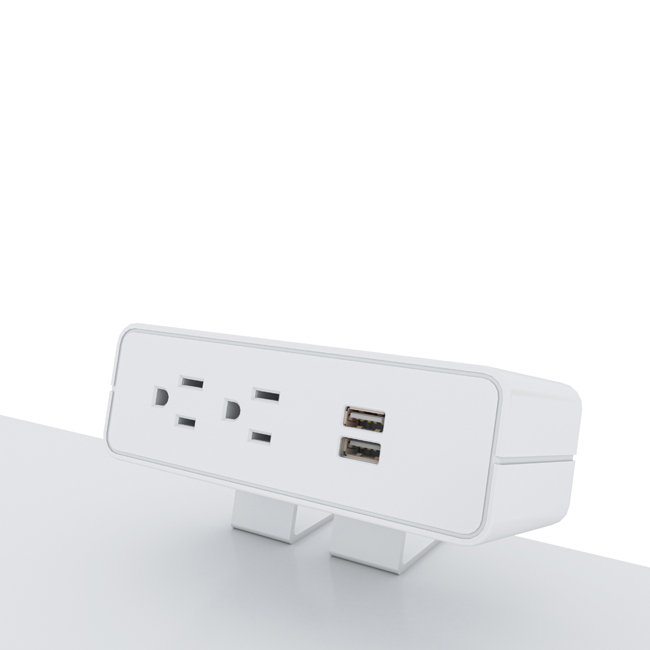
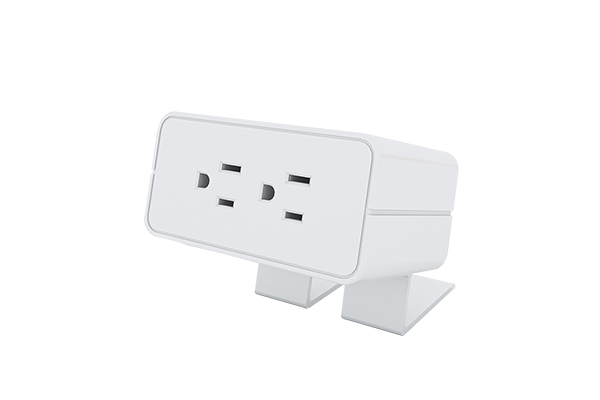
Built-in power modules, USB ports, or concealed charging points help users stay connected throughout long meetings. This is one of the clearest upgrades over a basic conference table.
Many project buyers need flexibility. A hybrid meeting table should be available in different lengths and widths so it can work in compact rooms or large executive spaces.
Because these tables are often used daily, they should be built from materials that resist wear, scratches, and frequent cleaning. Commercial-grade finishes are a strong advantage for B2B procurement.
Remote collaboration changes how a room should be designed. A good hybrid meeting table allows clear sightlines, easy device placement, and enough space for microphones, laptops, and screens.
A conference table is often designed for face-to-face meetings only. A hybrid meeting table is designed for both physical and digital communication.
Aspect | Traditional Conference Table | Hybrid Meeting Table |
|---|---|---|
Main use | In-person meetings | In-person + remote meetings |
Cable management | Often minimal | Usually built in |
Power access | Optional | Common feature |
Technology support | Limited | Stronger support |
Workspace flexibility | Moderate | High |
Best for | Basic meeting rooms | Modern collaboration spaces |
For buyers comparing both options, the hybrid model usually wins when technology integration and long-term flexibility are priorities.
Selecting the right hybrid meeting table starts with understanding the room and how the space will be used.
Leave enough walking space around the table and make sure chairs can move comfortably. A table that is too large can make a room feel crowded, while a table that is too small can look unprofessional and limit seating.
Think about how many people usually attend. A small team room may only need a compact table, while a boardroom may require a larger, more formal design.
List the devices that will be used in the room:
laptops
monitors
cameras
microphones
conference phones
charging needs
The more technology involved, the more important built-in power and cable management become.
The table should fit the company's visual identity. A premium wood finish can feel executive and warm, while a minimalist matte finish may suit a modern office better.
B2B buyers should ask how easy the table is to assemble, maintain, and service. A well-designed hybrid meeting table should save time not only during meetings, but also during installation and long-term use.
A hybrid meeting table is not limited to one type of workplace. It can support many commercial settings:
In executive boardrooms, it creates a polished, high-trust environment for leadership meetings and client presentations.
In project rooms, it supports team collaboration with laptops, shared screens, and flexible discussion formats.
In training spaces, it helps instructors combine live participants with virtual attendees.
In coworking spaces, it gives members a professional meeting setup without requiring a fully custom room design.
In client-facing offices, it helps the business appear organized, modern, and technology-ready.
For procurement managers, designers, and commercial furniture buyers, the hybrid meeting table is more than a furniture item. It is a workspace tool that affects communication quality, room efficiency, and brand perception.
Choosing the right table can reduce future upgrades, improve user satisfaction, and make the meeting room more adaptable as technology changes. That is why many B2B buyers now view the hybrid meeting table as a long-term investment rather than a short-term purchase.
A hybrid meeting table is a practical solution for modern businesses that rely on both in-person and remote collaboration. It combines the look of a professional conference table with the functionality needed for today’s connected meeting environments. For B2B buyers, the benefits are clear: better organization, stronger technology support, improved user experience, and a more professional workspace.
If your project involves a meeting room that must support flexible communication, a hybrid meeting table is one of the smartest choices you can make.