Views: 0 Author: Site Editor Publish Time: 2026-04-15 Origin: Site


The short answer is yes: there is a difference between a boardroom table and a conference table, even though people often use the terms interchangeably. A boardroom table usually refers to a more formal, executive-style meeting table designed for leadership discussions, presentations, and high-level decision-making. A conference table is a broader term that can describe almost any large table used for meetings, collaboration, or group discussions.
For B2B buyers in the USA, EU, and UK, the distinction matters because the right table affects how a space looks, how people sit, and how the room functions. Choosing the right boardroom table is not just about appearance. It also influences comfort, communication, and the way your meeting room represents your brand professionally.
A boardroom table is typically associated with executive meeting rooms, senior management spaces, and client-facing environments. It is often chosen to create a polished, authoritative impression. In many offices, the boardroom is the room where important decisions are made, so the table tends to be more refined in style and finish.
Boardroom tables are often rectangular or oval, with generous proportions and a premium look. Materials may include wood veneer, high-end laminate, glass accents, or custom finishes that align with the company's brand identity. The overall design usually feels more formal than a standard meeting table.
A boardroom table is a strong fit for:
executive meetings
board meetings
client presentations
contract discussions
leadership reviews
Boardroom tables are often:
rectangular for a classic, authoritative look
oval or boat-shaped for better visibility and conversation flow
finished in darker tones, warm wood grains, or sophisticated neutral colors
A conference table is a more general term. It can refer to tables used in meeting rooms, training rooms, project spaces, hybrid work rooms, or collaborative environments. Unlike a boardroom table, a conference table is not necessarily formal. It may prioritize practicality, flexibility, and everyday use.
Conference tables come in many shapes, including rectangular, round, square, boat-shaped, and modular configurations. They are commonly chosen for teams that need a functional surface for discussion, shared devices, or hybrid meetings.
A conference table is often used for:
team meetings
training sessions
presentations
workshops
hybrid collaboration
Conference tables may be:
simple and minimal
modular or reconfigurable
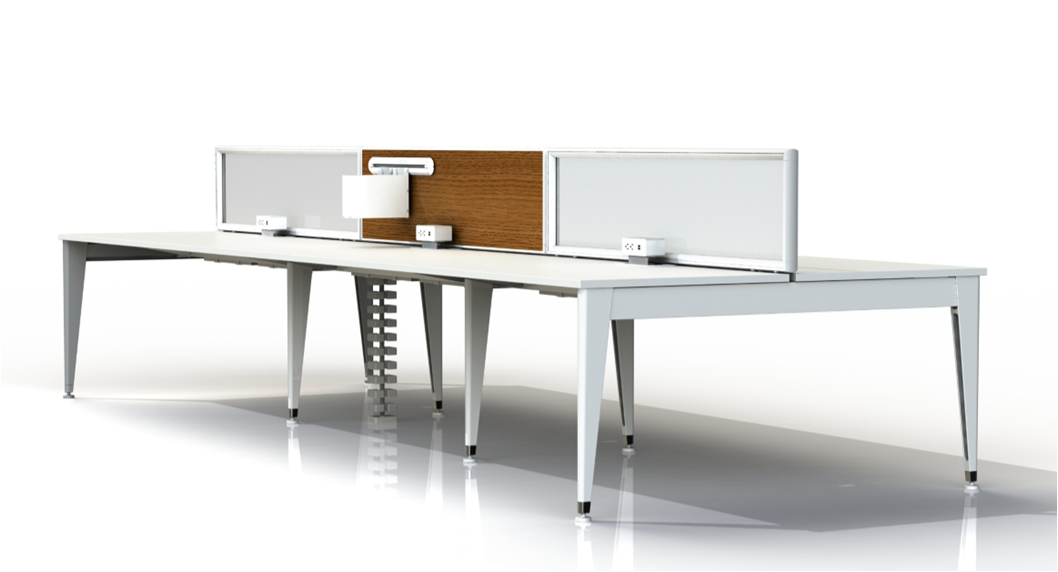
designed with integrated power and cable access
finished in a wide range of materials, from budget-friendly laminate to premium wood veneer
Although the two terms overlap, the distinction becomes clear when you consider purpose, style, and room function.
A boardroom table is usually more formal and executive in tone. It is meant to signal importance, professionalism, and authority. A conference table is more flexible and can be adapted to many types of meetings, from casual collaboration to structured presentations.
Both table types can be large, but boardroom tables are often chosen with a more specific seating arrangement in mind. They are designed to support a central, high-level meeting dynamic. Conference tables may be sized more flexibly to fit different team sizes and room layouts.
A boardroom table typically uses more premium finishes and a more refined silhouette. A conference table may focus on durability, scalability, and practicality. In other words, the boardroom table often leads with image, while the conference table often leads with function.
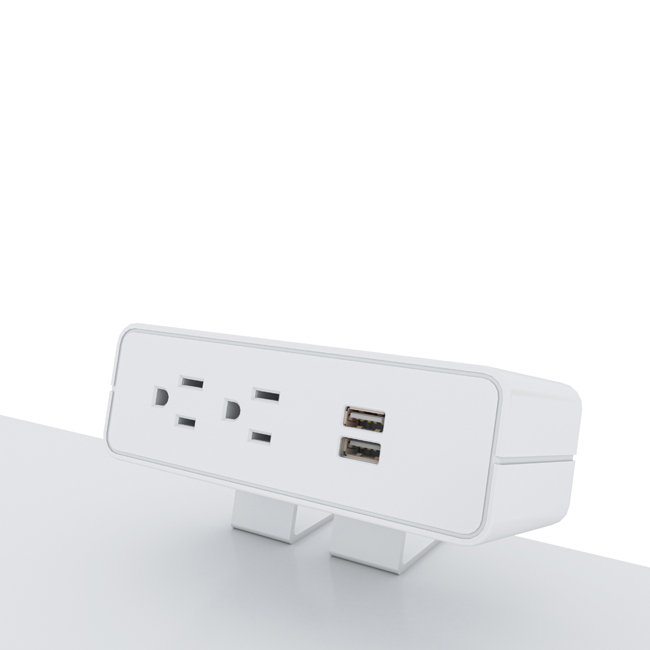
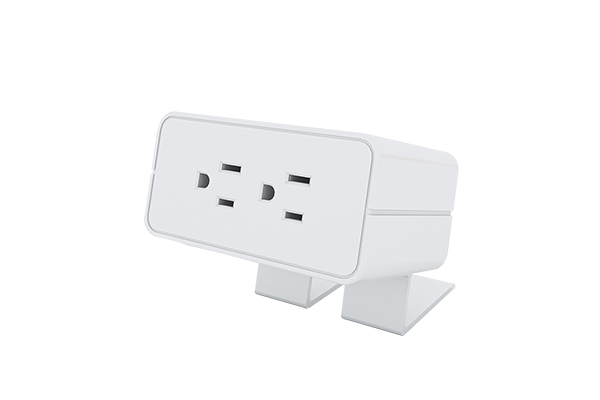
Modern meeting spaces need built-in power, data, and cable management. Conference tables are frequently designed with these features as standard, especially in hybrid work environments. Boardroom tables may also include integrated technology, but the design emphasis is often on keeping those features discreet and elegant.
The right choice depends on how the room will be used.
A boardroom table is the better option when the room needs to:
impress clients or visitors
support executive-level meetings
reflect a premium brand image
create a formal, focused atmosphere
A conference table is the better option when the space needs to:
support mixed-use meetings
handle collaboration across teams
accommodate hybrid technology
stay adaptable for different room functions
For many companies, the best solution is not choosing one term over the other. Instead, it is selecting a table that balances visual presence with practical performance.
When evaluating a boardroom table or conference table, start with the room itself. Measure the available space and make sure there is enough clearance for chairs, movement, and presentation equipment. A table that is too large can make the room feel cramped, while one that is too small can look underpowered and reduce seating comfort.
Next, think about meeting behavior. If the room is mainly used for leadership discussions and external visitors, a boardroom table with a premium finish may be the right fit. If the room is used for daily team collaboration, a conference table with integrated cable management and a durable surface may be more practical.
Finally, consider long-term use. A good table should support your workflow, your brand image, and your technology needs. In the USA, EU, and UK markets, buyers increasingly look for meeting tables that combine durability, clean aesthetics, and easy integration with power and connectivity.
A boardroom table and a conference table are closely related, but they are not the same. A boardroom table is usually more formal, executive, and presentation-focused. A conference table is a broader category that covers many types of meeting spaces and functions. For B2B buyers, the best choice depends on how the room is used, how important visual impact is, and whether the table needs to support collaboration, technology, or client-facing meetings.
If your goal is to create a strong professional impression, a boardroom table is often the better fit. If your goal is flexibility and everyday teamwork, a conference table may be the smarter choice.