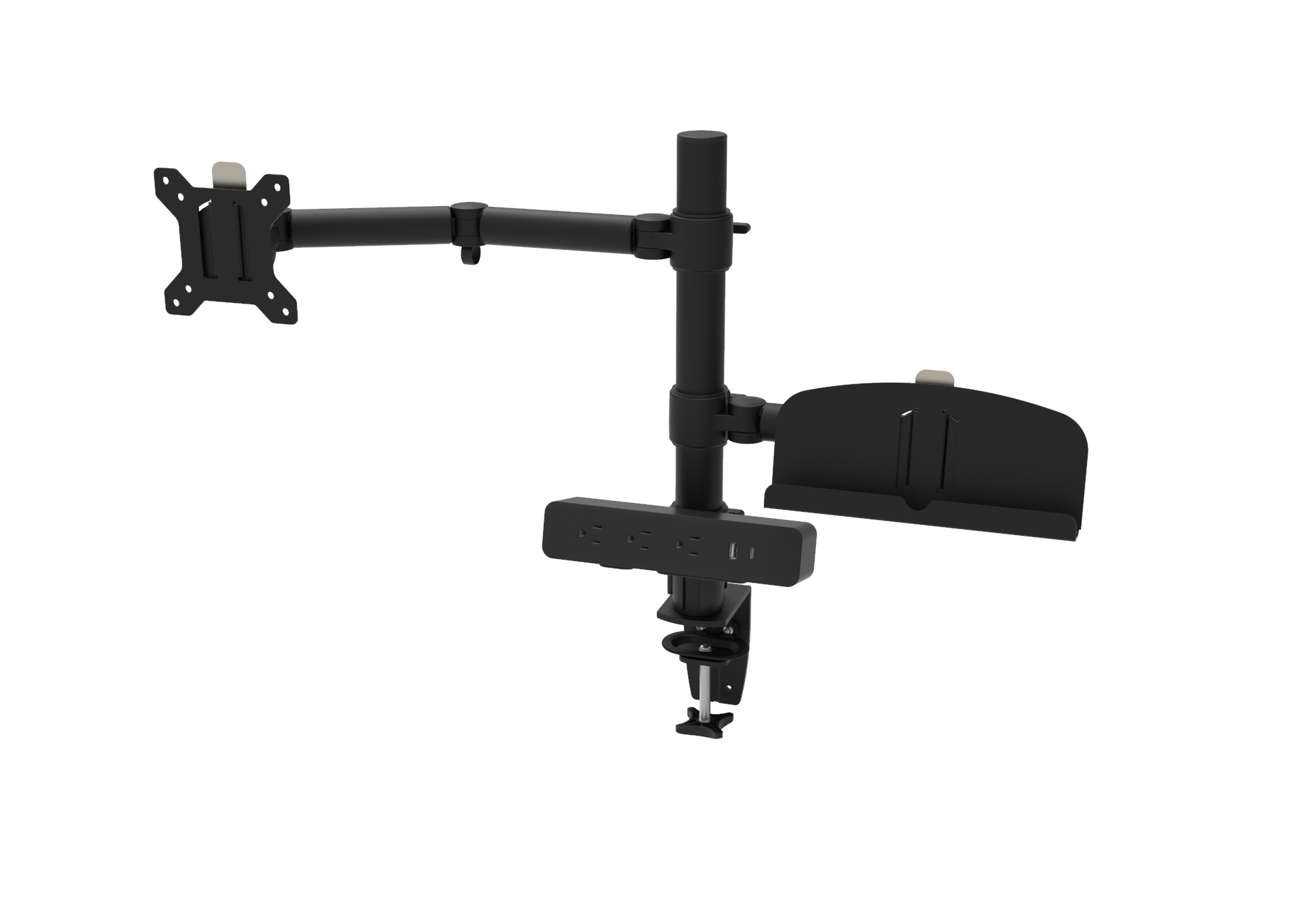
Workplaces and home offices across the USA and EU have shifted strongly toward flexible, ergonomic setups. As displays have grown larger and desks have become multifunctional, the single monitor arm has emerged as a common upgrade beyond the traditional fixed monitor stand. Rather than simply elevating a screen, monitor arms unlock posture improvements, reclaim desk surface area, and create adaptable workstations that match modern work patterns.
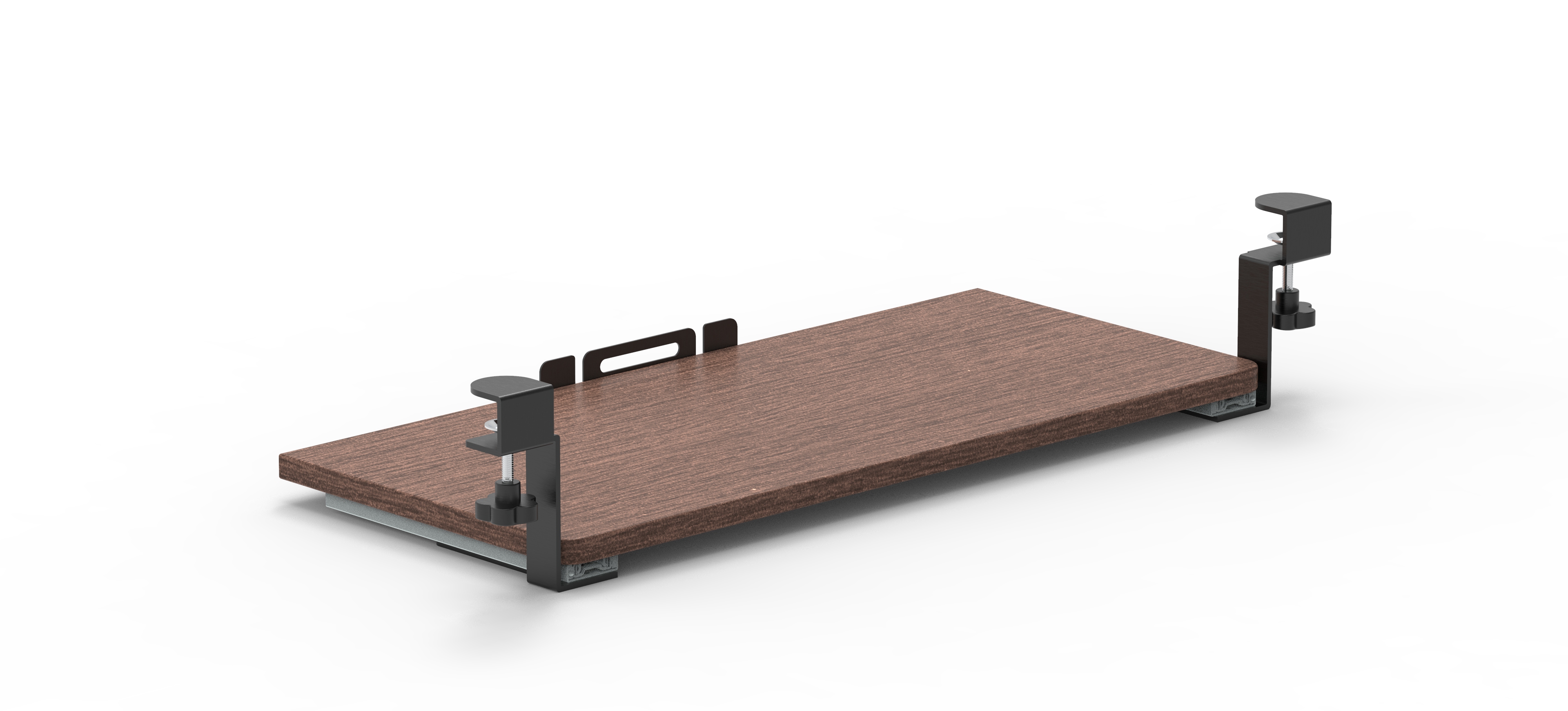
Choosing the right mount for a single monitor arm isn't just a matter of hardware — it affects ergonomics, desk integrity, visual clutter, and how easy it is to reconfigure your workspace. Clamp mounts and grommet mounts are the two most common attachment methods. Each has distinct advantages and trade-offs depending on desk type, monitor weight, permanence, and aesthetic preferences. This guide explains the practical differences so you can make an informed decision for USA and EU office environments.
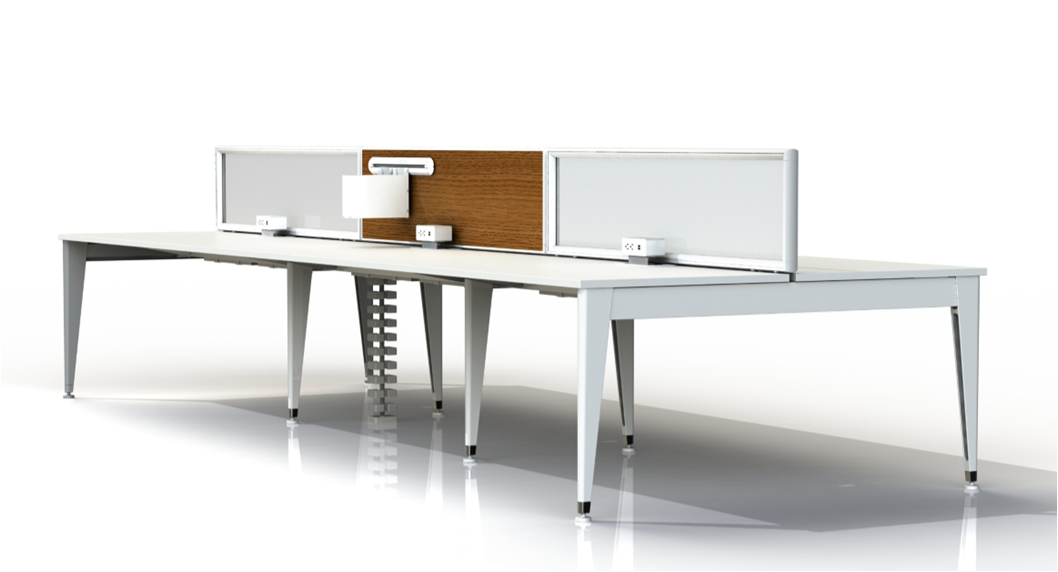
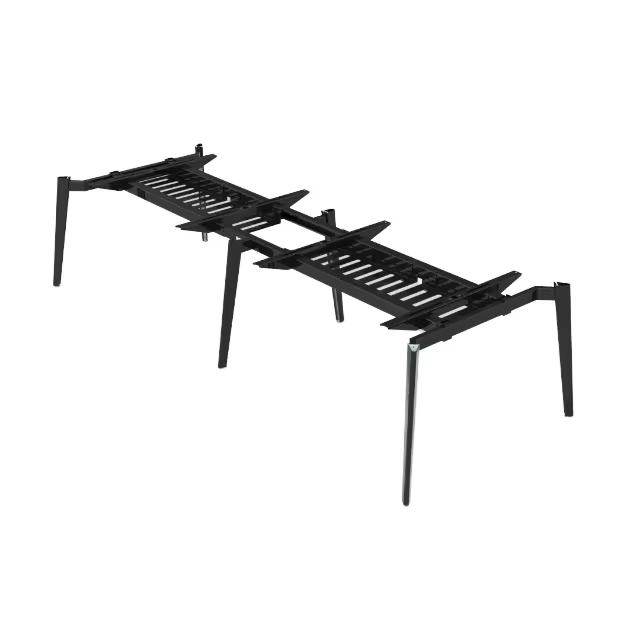
The benching workstation is a wide-open office with little to no defined personal space. Employees are encouraged to grab a laptop, find a spot to sit wherever they like, and get to work.
The benching workstation is comparable to a family-style restaurant with long, open tables and plenty of seating. To foster more open communication between coworkers, there are no partitions or privacy.
The benching workstation is also a good idea for teamwork or hybrid work. The workers can chat and go over business strategies without having to schedule a conference room and waste time. They come in different shapes, sizes, and configurations.