Views: 0 Author: Site Editor Publish Time: 2026-05-11 Origin: Site


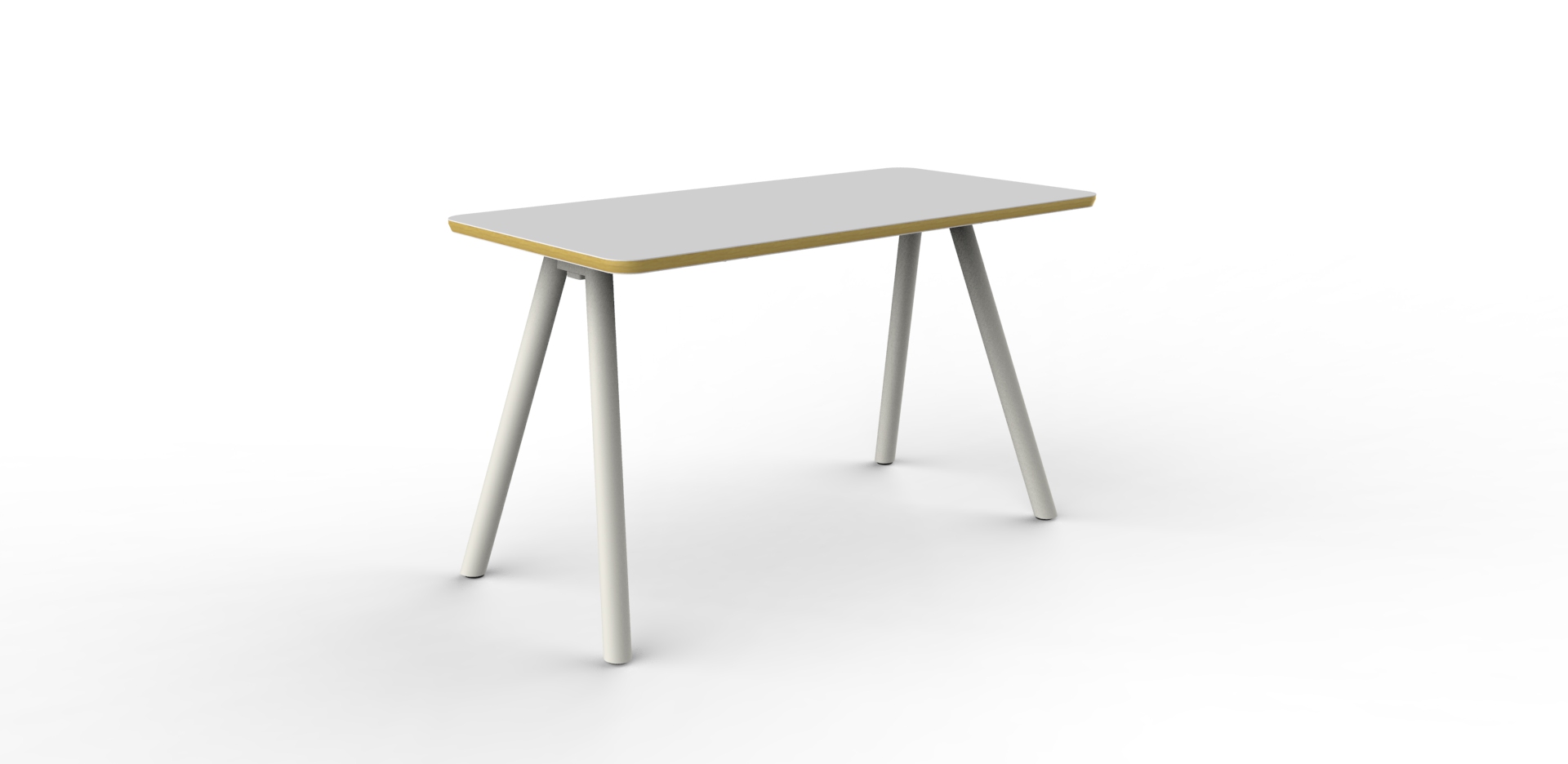
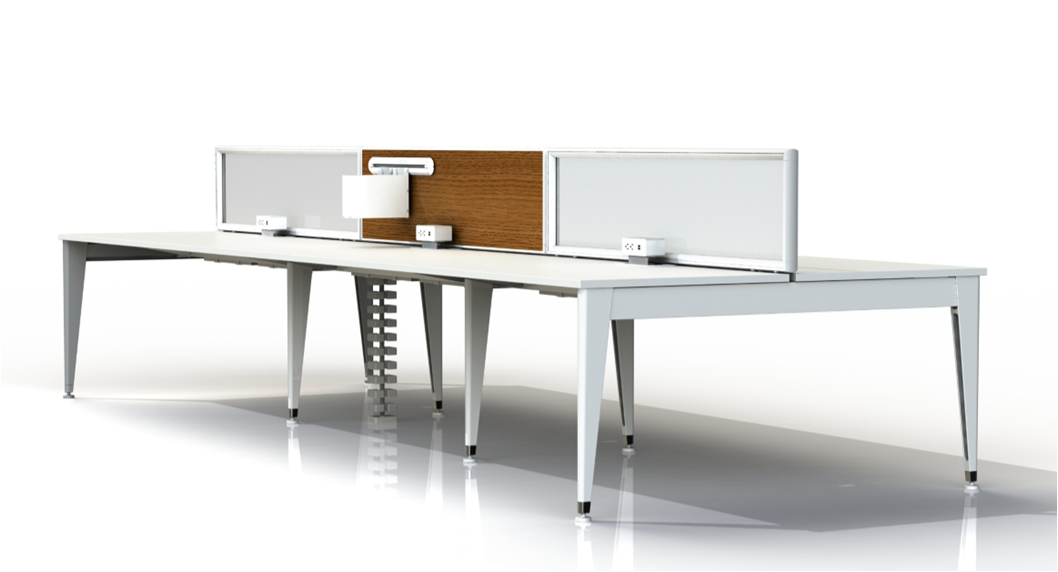
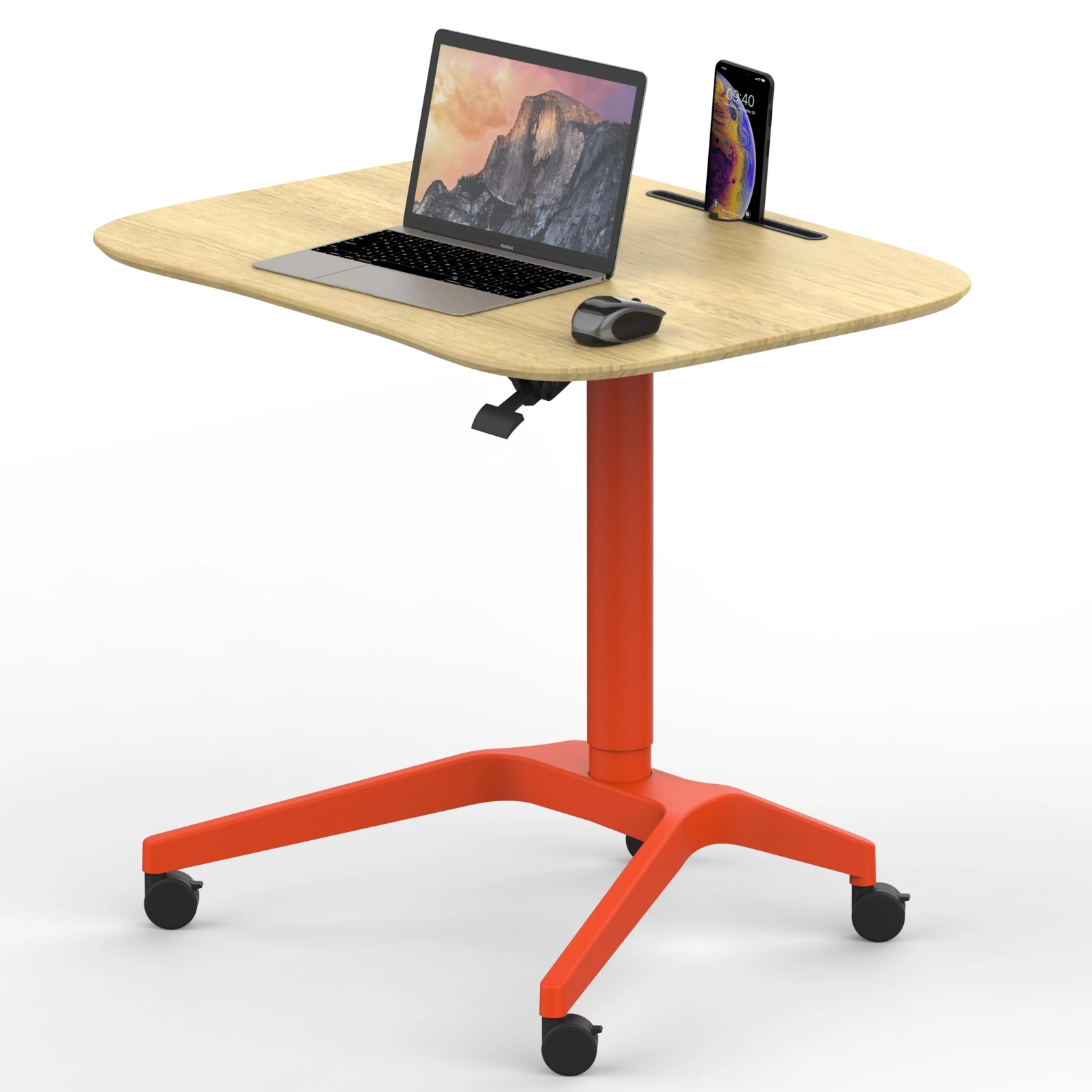
A pneumatic standing desk is a height-adjustable desk that uses compressed gas or pneumatic force to help users raise and lower the work surface with less effort. Yes, it is a practical standing desk, and for many offices, it offers a simple, ergonomic, and space-efficient way to support healthier working positions.
For B2B buyers, pneumatic standing desks are especially useful when you want a flexible workstation solution that is easy to operate, quick to adjust, and suitable for different users in the same office. Unlike fixed-height desks, they allow employees to change positions during the day, which can support comfort and productivity in modern work environments.
A pneumatic standing desk is designed to move between seated and standing positions using a gas-assisted lifting mechanism. In simple terms, the internal pneumatic system helps offset the desk’s weight, making height adjustment smoother and less physically demanding.
These desks are often found in offices, shared workstations, conference areas, and collaborative spaces. They are built to serve users who need a workstation that can adapt quickly to different tasks, preferences, and body types.
For business buyers, the appeal is straightforward: a pneumatic standing desk offers ergonomic value without the complexity of a fully electric system.
The core mechanism is a pneumatic lift system, often using gas springs or gas cylinders. When the user activates the release lever or adjustment control, the pneumatic system helps the desk move upward or downward. The gas pressure assists the lifting motion and reduces the force needed from the user.
In practical use, this means:
The desk can be adjusted more easily than a traditional fixed desk.
The transition between sitting and standing is quick.
The user does not depend on electricity for basic height adjustment.
The design can stay relatively clean and minimal.
Some models are more compact and intended for a single monitor or laptop setup, while others are built for larger desktop workstations. The exact mechanism and range vary by manufacturer, but the main idea stays the same: manual adjustment supported by pneumatic force.
For office procurement teams, facility managers, and workplace planners, the pneumatic standing desk offers several advantages.
A workplace that supports both sitting and standing can help employees vary posture throughout the day. That is valuable in environments where people spend long hours at a desk. A pneumatic standing desk gives teams an easy way to introduce ergonomic flexibility without a major infrastructure change.
Compared with some manual lift designs, pneumatic systems are usually easier to operate. That matters in shared office settings where multiple employees may use the same workstation. If the adjustment process is simple, employees are more likely to use it consistently.
Shared desks, hot-desking areas, and collaboration zones benefit from furniture that adapts quickly. A pneumatic standing desk can support different users with minimal setup time, which makes it practical in modern office layouts.
Because many pneumatic models do not require electricity to adjust height, they can be easier to place in flexible office layouts. This can be helpful in areas where access to power is limited or where buyers want to reduce cable clutter.
Many pneumatic standing desks are designed with efficiency in mind. They can be a smart option for smaller offices, training rooms, and temporary work areas where a full motorized desk may be unnecessary.
A pneumatic standing desk and an electric standing desk both aim to improve ergonomic flexibility, but they serve slightly different needs.
A pneumatic model is usually:
More manual, with gas-assisted movement
Simpler in design
Less dependent on power
Often better for lighter-duty or compact use cases
An electric model is usually:
Powered by a motor
Easier for larger desktops or heavier equipment
Better for frequent fine-tuned height changes
Often more premium in price and feature set
For B2B buyers, the right choice depends on the work environment. If the goal is to provide an affordable, easy-to-use adjustable desk for general office use, a pneumatic standing desk may be the better fit. If the desk must support heavier monitors, dual setups, or frequent height presets, electric may be the stronger option.
Not every office needs the same type of desk. Pneumatic standing desks tend to perform best in environments where simplicity, flexibility, and quick adjustment matter most.
In general office settings, pneumatic desks can provide ergonomic flexibility without a complicated setup. They are suitable for teams that need a simple sit-stand option across many workstations.
Training environments and meeting rooms often need furniture that works for different people at different times. A pneumatic standing desk can support presentations, note-taking, laptop use, and collaborative work without being tied to a single user.
Shared workstations require furniture that can be adjusted quickly. A pneumatic standing desk helps different employees adapt the desk height with minimal effort, which supports a smoother shared-office experience.
If you are evaluating pneumatic standing desks for a business project, several factors deserve close attention.
The desk should support a height range that suits your team's needs. It should also be easy to raise and lower without requiring too much force.
A good pneumatic standing desk should remain stable during use. Check whether it can safely support laptops, monitors, accessories, and any other equipment your users rely on.
Different teams need different desktop sizes. Some users only need a compact surface, while others need room for dual screens or documents. Finish options also matter if the desk must match your office design.
For B2B buyers, long-term support is important. Look at warranty terms, replacement part availability, and the supplier’s ability to support future projects or repeat orders.
A desk that is simple to assemble and maintain can save time across multiple locations. This is especially important for companies rolling out furniture at scale.
Pneumatic standing desks are a strong option when you want ergonomic adjustability without the complexity of a motorized system. They can be practical for offices that value flexibility, fast setup, and clean design.
They also work well in procurement scenarios where the buyer needs a balance of comfort, price, and ease of use. For many organizations, that combination is exactly what makes pneumatic furniture attractive.
If your project involves open offices, shared desks, or compact work areas, this type of desk can be a smart and scalable solution.
A pneumatic standing desk is a gas-assisted height-adjustable desk that makes it easier to switch between sitting and standing. For B2B buyers in the USA, it offers a practical mix of ergonomics, simplicity, and flexibility. While it may not replace every electric model, it is often an excellent choice for offices that need an easy-to-use, cost-conscious sit-stand solution.
For workplaces that want to support healthier work habits and more adaptable layouts, the pneumatic standing desk is a reliable option worth considering.